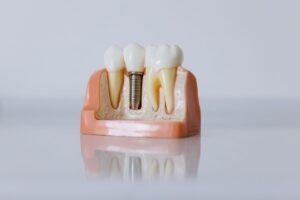
A root canal is a dental procedure often associated with relieving tooth pain and saving a damaged or infected tooth. Despite its reputation, a root canal is a common and relatively simple treatment that can help maintain your natural smile and prevent more severe dental issues. In this article, we’ll walk you through what a root canal is, when it’s needed, how it’s performed, and why it’s not as scary as many people think.
If you’re experiencing tooth pain or think you may need a root canal, Hummingbird Dental Clinic in Richmond Hill can help. Our experienced team provides expert care and guides you through every step of the treatment process.
What Is a Root Canal?
A root canal is a dental procedure that removes infected or damaged tissue from the inside of a tooth. The tooth’s pulp (the soft tissue inside the tooth) can become infected due to deep cavities, cracks, or trauma. If left untreated, this infection can lead to severe pain, abscesses, and even tooth loss.
During a root canal procedure, the dentist will remove the infected pulp, clean the inside of the tooth, and then seal it to prevent further infection. Afterward, the tooth is typically restored with a crown to protect it and restore its function.
If you’re concerned about whether a root canal is right for you, Hummingbird Dental Clinic offers consultations and expert care tailored to your needs.
Why Do You Need a Root Canal?
A root canal is necessary when the pulp of a tooth becomes infected or inflamed. This can happen for a variety of reasons:
1. Deep Cavities
When a cavity is left untreated, it can spread into the inner part of the tooth, reaching the pulp. This can cause infection and pain, which a root canal can help resolve.
2. Cracked or Chipped Teeth
A cracked or chipped tooth can expose the pulp to bacteria, leading to infection. If this happens, a root canal is often the best way to save the tooth.
3. Trauma
Accidents or injuries can cause damage to the tooth’s pulp, even if the tooth appears otherwise intact. A root canal is performed to clean out any infected tissue and prevent further issues.
At Hummingbird Dental Clinic, we will examine your tooth thoroughly to determine whether a root canal is the best treatment option for you.
How a Root Canal is Performed: Step-by-Step Process
The root canal procedure is performed in several steps, usually under local anesthesia to ensure the patient remains comfortable throughout the process. Here’s how the treatment typically works:
1. Examination and X-rays
The dentist will begin by taking X-rays to assess the extent of the damage or infection. This helps determine the best course of action and gives the dentist a clear view of the tooth’s roots.
2. Anesthesia
Local anesthesia is administered to numb the area around the affected tooth. This ensures that you won’t feel any pain during the procedure.
3. Removing the Pulp
The dentist will create a small opening in the crown of the tooth and carefully remove the infected or damaged pulp. Any bacteria or debris inside the tooth will also be cleaned out.
4. Shaping the Root Canals
Once the pulp is removed, the dentist will shape the root canals to prepare them for sealing. This step ensures that the canals are completely clean and free from infection.
5. Filling the Root Canals
After cleaning and shaping the canals, the dentist will fill them with a rubber-like material called gutta-percha. This helps prevent future infections and strengthens the tooth.
6. Sealing the Tooth
The dentist will then seal the opening to the tooth. In most cases, a crown will be placed over the tooth afterward to protect it and restore its function.
At Hummingbird Dental Clinic, we take every step to ensure the procedure is as comfortable and efficient as possible.
Root Canal Recovery and Aftercare
While recovery from a root canal is generally quick and straightforward, it’s essential to follow aftercare instructions carefully to avoid complications. Here are some tips for recovering from a root canal:
- Rest: After the procedure, take it easy for the rest of the day. Avoid strenuous activities.
- Pain Management: Some discomfort or mild swelling is normal. Over-the-counter pain relievers like ibuprofen or acetaminophen can help manage pain.
- Diet: Avoid chewing on the treated tooth until it’s fully restored with a crown. Stick to soft foods and avoid very hot or cold foods until the area heals.
- Oral Hygiene: Continue to brush and floss, but be gentle around the treated tooth. Proper oral hygiene is crucial to avoid further infection.
At Hummingbird Dental Clinic, we provide thorough post-treatment care instructions and offer follow-up visits to ensure a smooth recovery.
Signs You Might Need a Root Canal
Here are some common signs that may indicate you need a root canal:
- Severe Tooth Pain: Persistent or severe tooth pain, especially when chewing or applying pressure, is a primary sign of infection or damage to the tooth’s pulp.
- Sensitivity to Hot or Cold: Prolonged sensitivity to hot or cold food and beverages, especially when the sensation lingers after the stimulus is removed.
- Swollen or Tender Gums: Swelling or tenderness in the gums around a tooth, especially if accompanied by a pimple-like bump, may indicate an infection.
- Tooth Discoloration: A tooth that becomes darkened or discolored may be a sign of internal damage to the tooth’s pulp.
- Pain When Touching the Tooth: If the tooth is sensitive to touch or tapping, it could be a sign that the pulp is infected and a root canal is needed.
If you experience any of these symptoms, it’s crucial to see a Dentist in Richmond Hill at Hummingbird Dental Clinic for an evaluation and timely treatment.
Benefits of a Root Canal
Root canal therapy offers several significant benefits:
- Pain Relief: Root canal treatment alleviates the intense pain caused by an infected tooth and provides long-term relief.
- Saves Your Natural Tooth: By saving the tooth, you avoid the need for extraction and preserve the structure of your mouth.
- Improved Function: Once the infection is removed, and the tooth is restored, it functions as it did before, allowing you to eat and speak normally.
- Prevents Spread of Infection: A root canal removes the infected pulp, preventing the infection from spreading to surrounding teeth or other parts of the body.
- Cost-Effective: Compared to tooth extraction followed by an implant or bridge, a root canal is often more affordable and less invasive.
Common Mistakes to Avoid After a Root Canal
To ensure the success of your root canal treatment, avoid these common mistakes:
- Neglecting Follow-up Care: It’s essential to follow your dentist’s instructions for post-treatment care and attend any necessary follow-up appointments to monitor your healing.
- Ignoring Pain: Mild discomfort is common after the procedure, but significant pain may indicate a problem. If you experience persistent or severe pain, contact your dentist.
- Delaying the Crown: After a root canal, a crown is typically placed over the tooth for protection. Delaying this step can lead to further damage to the tooth.
Safety Considerations for Root Canal Procedures
Root canal treatments are generally safe and highly effective, but there are a few important safety considerations:
- Infection: As with any dental procedure, there’s a risk of infection. However, this risk is minimal when the procedure is performed by an experienced dentist.
- Tooth Fracture: Sometimes, the tooth can become brittle after a root canal, especially if it has extensive decay. Placing a crown helps protect the tooth from fractures.
- Pre-existing Health Conditions: If you have certain health conditions, such as heart disease or diabetes, be sure to inform your dentist before the procedure, as they may affect the healing process.
At Hummingbird Dental Clinic, we take every precaution to ensure that your root canal is performed safely and effectively.
FAQs About Root Canals
1. Is a root canal painful?
While the procedure itself is not painful due to local anesthesia, some discomfort or mild pain may be experienced after the treatment. This is typically temporary and can be managed with over-the-counter pain relievers.
2. How long does a root canal take?
A root canal procedure typically takes between 60 to 90 minutes, depending on the complexity of the tooth and the extent of the infection.
3. Can I eat after a root canal?
It’s best to avoid chewing on the treated tooth until it is fully restored with a crown. Stick to soft foods for a few days after the procedure.
4. Will my tooth look the same after a root canal?
After a root canal, the tooth will look and function like it did before. Once the procedure is complete, the tooth is usually restored with a crown for added protection and aesthetics.
5. How long does a root canal last?
With proper care, a root canal can last for many years. The tooth can last a lifetime if it is restored with a crown and properly maintained.
Conclusion
A root canal is an effective and commonly used procedure that can save a damaged or infected tooth. By removing the infected pulp and restoring the tooth, you can avoid tooth extraction and enjoy the benefits of a healthy, functional tooth. If you’re experiencing pain or discomfort and think you may need a root canal, visit Hummingbird Dental Clinic in Richmond Hill for expert care and treatment. We’ll ensure you get the relief you need and help restore your smile.