Dental implants are titanium posts surgically placed into the jawbone to serve as artificial tooth roots for supporting crowns, bridges, or dentures. At Hummingbird Dental Clinic, we provide comprehensive dental implant services in Richmond Hill that restore natural function and aesthetics for patients with missing teeth. Side effects from implant surgery are typically temporary and mild, including minor swelling, bruising, and discomfort that resolves within one to two weeks. Serious complications are uncommon when procedures are performed by experienced clinicians using proper surgical protocols and sterile techniques.
Patients often worry whether implants are painful, how long the process takes, and whether they are suitable candidates for implant placement. These concerns are completely understandable and addressable through thorough evaluation, modern imaging, and personalized treatment planning. If you have lost one or more teeth and seek a permanent replacement solution, consulting a reputable Dental Clinic in Richmond Hill ensures proper assessment of your bone health and treatment options.
For patients requiring comprehensive oral rehabilitation including implant placement, Dental Care in Richmond Hill offers integrated services that coordinate surgical and restorative phases seamlessly. Many patients are surprised to discover that dental implants feel and function so similarly to natural teeth that they forget they have artificial replacements.
Hummingbird Dental Clinic has established itself as one of the best dental clinics in Richmond Hill through successful delivery of dental implant treatments that transform patient quality of life. Our practice at 6175 Hwy 7 Unit 7, Woodbridge, ON L4H 0P6, Canada provides complete implant care from initial consultation to final restoration. You can schedule your implant evaluation by contacting info@hummingbirddental.ca to discuss whether this permanent solution is right for your situation.
While implants offer superior replacement, proper candidacy assessment is essential. A thorough examination by a qualified Dentist in Richmond Hill determines bone volume, systemic health factors, and aesthetic requirements before treatment commitment. At Hummingbird Dental Clinic, we coordinate implant planning with other necessary procedures such as Root Canal Richmond Hill for remaining teeth to ensure comprehensive oral health before implant placement.
What Are Dental Implants
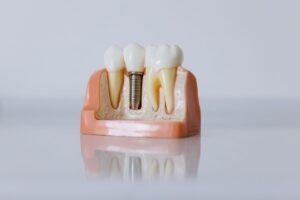
Dental implants are biocompatible titanium fixtures that integrate with jawbone through a process called osseointegration. This biological fusion creates a stable foundation for prosthetic teeth that does not rely on adjacent natural teeth for support.
The implant system consists of three components: the implant fixture embedded in bone, the abutment connecting implant to restoration, and the crown, bridge, or denture that provides visible function and aesthetics.
Types of Dental Implant Restorations
Different clinical situations require specific implant configurations.
Single Tooth Implants
Individual implants support single crowns, replacing missing teeth without preparing adjacent healthy teeth. This is the most conservative approach to single tooth replacement.
Implant-Supported Bridges
Multiple implants support fixed bridges when several adjacent teeth are missing. This eliminates the need for removable partial dentures and provides superior stability compared to tooth-supported bridges.
Implant-Retained Dentures
Strategically placed implants secure removable overdentures with attachments, dramatically improving retention and chewing function compared to conventional dentures.
Full-Arch Fixed Restorations
Four to six implants support complete fixed bridges replacing entire arches of missing teeth, providing permanent solutions for edentulous patients.
The Dental Implant Process Step by Step
Understanding the treatment sequence prepares patients for the commitment required.
Initial Consultation and Planning
- Comprehensive examination including medical history review
- Three-dimensional imaging with cone beam computed tomography
- Evaluation of bone quantity, quality, and anatomical structures
- Digital treatment planning and surgical guide fabrication
- Discussion of restoration options and timeline
Surgical Placement
- Local anesthesia or sedation ensuring complete comfort
- Precision osteotomy preparation using surgical guides
- Implant fixture placement at predetermined position and depth
- Soft tissue closure or healing abutment placement
- Post-operative instructions and healing period initiation
Osseointegration Period
Three to six months of undisturbed healing allows bone to fuse with implant surface. Temporary restorations maintain function and aesthetics during this phase.
Restoration Phase
- Exposure of implant and abutment connection
- Impression or digital scan for restoration fabrication
- Custom crown, bridge, or denture attachment
- Occlusal verification and aesthetic approval
- Final delivery with maintenance instructions
Signs You Are a Good Candidate for Implants
Several factors indicate implant suitability.
- One or more missing teeth with adequate bone volume
- Good systemic health without uncontrolled conditions
- Healthy gum tissue without active periodontal disease
- Commitment to oral hygiene and regular maintenance
- Realistic expectations about treatment timeline
- Desire for permanent, non-removable replacement
- Sufficient healing capacity for osseointegration
Common Patient Mistakes to Avoid
Several errors compromise implant success and longevity.
Delaying Treatment After Extraction
Bone resorption following tooth loss progresses rapidly. Delaying implant consultation may necessitate bone grafting procedures that add cost and healing time.
Choosing Based Solely on Cost
While implant cost varies, selecting providers based only on lowest price risks complications from inadequate planning, inferior components, or insufficient follow-up care.
Ignoring Pre-Existing Conditions
Uncontrolled diabetes, active smoking, or untreated gum disease significantly increase implant failure rates. Honest medical disclosure allows proper risk assessment and management.
Neglecting Maintenance Requirements
Implants require regular professional cleaning and monitoring. Assuming implants are maintenance-free leads to peri-implantitis and potential loss of the investment.
Improper Loading During Healing
Chewing on implants before osseointegration is complete risks failure. Following dietary restrictions and healing protocols is essential for success.
Safety Considerations and Health Connections
Implant surgery is safe when properly planned, with specific health factors requiring attention.
Systemic Health Assessment
Conditions affecting healing including diabetes, osteoporosis, and immune disorders require management before implant placement. Medications such as bisphosphonates need special consideration.
Anatomical Risk Management
Proximity to nerves, sinuses, and blood vessels requires three-dimensional planning and sometimes bone grafting to ensure safe implant placement.
Infection Prevention
Strict sterile protocols and appropriate antibiotic prophylaxis prevent surgical site infections that compromise osseointegration.
Prevention and Maintenance for Implant Longevity
Proper care ensures decades of implant service.
Daily Home Care
- Brush twice daily with soft brush around implant restorations
- Use interdental brushes or floss specifically designed for implants
- Consider water flossers for difficult-to-access areas
- Avoid smoking which impairs tissue health around implants
Professional Maintenance
- Attend examinations every three to six months
- Receive professional implant cleaning with specialized instruments
- Obtain periodic radiographs to monitor bone levels
- Address any bleeding, looseness, or discomfort immediately
Protective Measures
- Wear night guards if you grind your teeth
- Avoid chewing extremely hard objects that could fracture restorations
- Maintain stable weight and controlled systemic health conditions
Real Examples of Implant Outcomes
Case One: Single Tooth Replacement
A patient lost a maxillary anterior tooth due to trauma. Immediate implant placement with provisional restoration maintained aesthetics during healing. Final ceramic crown provided indistinguishable appearance and function after four months.
Case Two: Implant-Retained Overdenture
A long-term denture wearer struggled with lower denture stability. Two implants with ball attachments transformed retention and chewing comfort, allowing confident social dining for the first time in years.
Case Three: Full-Arch Rehabilitation
A patient with failing dentition underwent extraction, immediate implant placement, and fixed provisional restoration in one day. Definitive zirconia bridge delivered after healing provided permanent, aesthetic, fully functional replacement of all upper teeth.
Frequently Asked Questions
Is dental implant surgery painful?
Modern anesthetic techniques and appropriate post-operative medication ensure comfort during and after surgery. Most patients report less discomfort than anticipated, manageable with over-the-counter analgesics.
How long do dental implants last?
With proper care and maintenance, dental implants typically last decades and often for life. The restoration attached to implants may require replacement after 10 to 15 years due to wear.
Am I too old for dental implants?
Age alone does not contraindicate implant treatment. Overall health, bone quality, and healing capacity determine suitability better than chronological age.
What if I do not have enough bone for implants?
Bone grafting procedures can augment deficient ridges, sinus lifts can increase upper posterior bone height, and shorter or angled implants can sometimes avoid grafting entirely.
How do I care for my dental implants?
Daily brushing, interdental cleaning, and regular professional maintenance are essential. Implants do not decay but can develop gum disease without proper care.
Conclusion
Dental implants in Richmond Hill provide the most advanced tooth replacement solution available, restoring natural function, aesthetics, and confidence for patients with missing teeth. Through proper candidate selection, meticulous surgical technique, and committed maintenance, implants serve as permanent foundations for healthy, beautiful smiles that can last a lifetime.