You can avoid “denture face” by keeping as many healthy natural teeth as possible, wearing dentures that restore the correct bite height, replacing or relining dentures before the teeth wear flat, and considering implant support to slow jawbone loss. Denture face, the sunken, collapsed look around the mouth, is common in long-term denture wearers but it is gradual and largely preventable, not sudden or dangerous. The process is driven mainly by bone shrinkage and worn dentures, and both can be managed with planning from restorative dentistry specialists. If you have noticed changes in your profile, a check-up at a trusted dental clinic in Richmond Hill is the best first step.
Denture face is a collapsed facial appearance caused by jawbone loss and dentures that no longer support the lips and cheeks. To prevent it: keep natural teeth when possible, wear well-fitted dentures with the correct bite height, reline or replace dentures every few years, remove them at night, and ask about implants, which help preserve bone.
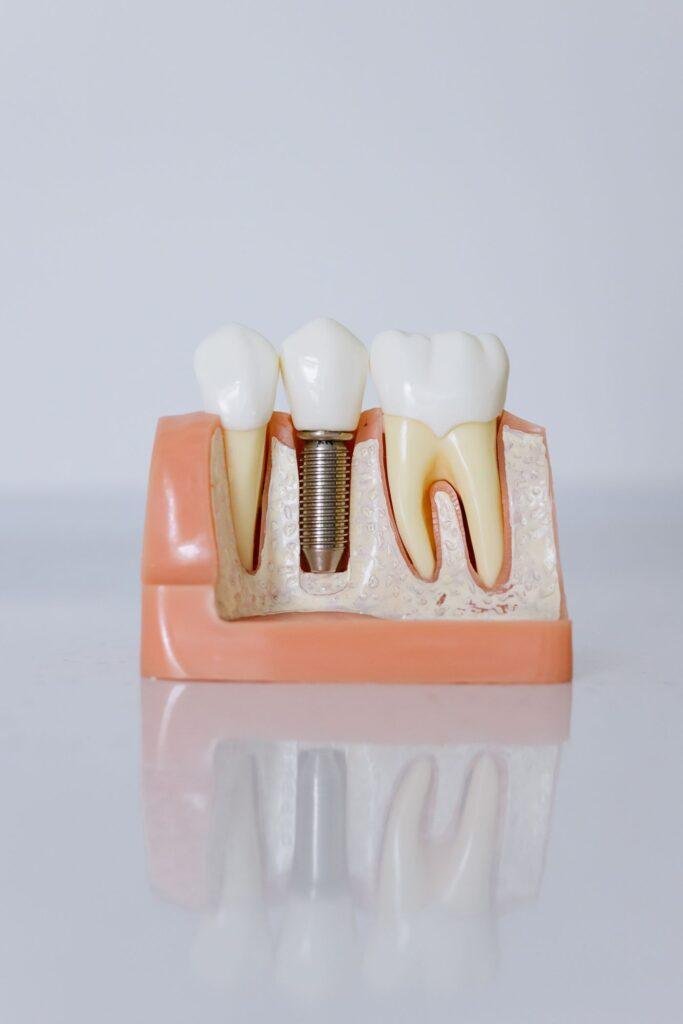
The single most effective way to protect facial structure is to keep stimulating the jawbone. Natural tooth roots do this automatically, and dental implants do something similar by transferring chewing forces into the bone, which helps slow the shrinkage that causes the sunken look.
Prevention also starts long before dentures. Regular cleanings, gum care, and early treatment of decay through a family dentistry practice can delay or avoid the need for full dentures in the first place.
For people who already wear dentures, a thoughtful redesign from cosmetic dentistry can restore lip support, tooth display, and face height, often softening deep lines and making the face look more rested.

What Is Denture Face?
Denture face is an informal term for the facial changes that occur when the lower third of the face loses height and support. Dentists may describe it as facial collapse or loss of vertical dimension. It happens slowly, over years, and is often first noticed in photographs.
Signs of denture face
- Lips that look thinner or fold inward
- Deep lines running from the nose to the corners of the mouth
- Corners of the mouth that turn downward
- A chin that appears to move closer to the nose
- A pointed or jutting chin in profile
- Wrinkling around the lips even at rest
- Cracking or soreness at the corners of the mouth
What Causes Denture Face?
Jawbone resorption
When teeth are removed, the bone that held their roots is no longer stimulated. The body gradually resorbs this bone. The lower jaw is especially affected, and the ridge that supports a denture can become much flatter over the years.
Worn denture teeth
Acrylic teeth wear down with chewing. As they flatten, the jaws close further together than they should. This over-closure shortens the face and causes the lips to fold in.
Ill-fitting dentures
A denture made for the shape your mouth had years ago will no longer match. It may rock, which places uneven pressure on the bone and can speed up resorption.
Wearing dentures 24 hours a day
Constant pressure on the gums without rest may contribute to tissue irritation and bone changes. Most dentists recommend removing dentures at night.
Going without teeth
Not wearing a denture at all after losing teeth removes lip and cheek support completely, and the facial muscles lose their usual shape.
Prevention Strategies Compared
Different strategies address different causes. This comparison summary shows how each one helps.
| Strategy | What It Addresses | How Much It Helps | Notes |
|---|---|---|---|
| Keeping natural teeth | Bone loss at the source | Very high | Regular care and early treatment are key |
| Implant-supported dentures | Bone resorption and instability | High | Requires surgery and enough bone |
| Correct bite height in new dentures | Over-closure | High | Needs careful measurement and try-in |
| Regular relines | Fit changes from bone loss | Moderate | Usually every few years |
| Timely denture replacement | Worn teeth and collapsed bite | High | Often every five to ten years |
| Removing dentures at night | Tissue irritation | Supportive | Also lowers infection risk |
How to Avoid Denture Face: A Step-by-Step Plan
- Protect remaining teeth: Even a few natural teeth or roots can help preserve bone and support a partial denture or overdenture.
- Plan extractions carefully: If teeth must be removed, ask about ridge preservation techniques and immediate dentures that maintain lip support during healing.
- Insist on accurate bite records: A well-measured vertical dimension ensures the face is not over-closed when the denture is made.
- Approve the try-in: During the wax try-in, look at your profile and smile. Tell your dentist if your lips look unsupported.
- Consider implants early: Implants placed sooner, before major bone loss, often achieve better support.
- Book regular checkups: Annual visits allow your dentist to spot fit changes before they affect your appearance.
- Reline when advised: Relines restore contact between the denture and gums as the ridge changes.
- Replace worn dentures: When teeth are flat or the base is repeatedly repaired, a new denture restores height and support.
Keep a photo from when your teeth or first denture looked right. Comparing it with recent photos makes subtle changes in face height easier to notice and gives your dentist a useful reference.
Can Denture Face Be Reversed?
Some changes can be improved significantly, though lost bone does not grow back on its own.
New dentures with restored bite height
When the denture teeth are worn, a new denture can return the jaws to the correct distance apart. This often lifts the corners of the mouth and smooths lines.
Implant-retained or implant-supported dentures
Implants improve stability and help maintain the bone that remains. Fixed implant bridges can provide excellent lip support and a natural profile.
Bone grafting
In selected cases, bone grafting may rebuild areas of severe loss to support implants. This is a surgical procedure that requires careful assessment.
Adjunct cosmetic treatments
Some people combine dental treatment with facial aesthetic treatments provided by appropriately trained practitioners. Dental support should always be addressed first, because no surface treatment can replace missing structural support.
Not everyone is a candidate for implants or grafting. Conditions such as uncontrolled diabetes, heavy smoking, certain medications that affect bone, and recent radiation to the jaw can change what is safe. A full medical and dental assessment by a dentist registered with the Royal College of Dental Surgeons of Ontario (RCDSO) is essential before surgical treatment.
Upper vs Lower Jaw: Why the Lower Face Changes More
The upper and lower jaws lose bone at different rates. The lower jaw often resorbs faster after tooth loss, and the lower denture has a smaller area to rest on. This is why many people first notice changes around the lower lip and chin.
| Feature | Upper Jaw | Lower Jaw |
|---|---|---|
| Denture support area | Large, includes the palate | Small, narrow ridge |
| Natural suction | Usually good | Usually limited |
| Typical rate of bone loss | Slower | Faster |
| Common complaint | Bulky feel on the palate | Movement while eating and speaking |
| Benefit from implants | Helpful for palate-free designs | Often dramatic improvement in stability |
What Your Dentist Measures to Prevent Facial Collapse
Avoiding denture face depends on accurate measurements. During planning, your dentist will typically assess:
- Vertical dimension: the distance between the nose and chin when the teeth are together
- Freeway space: the small, relaxed gap between the teeth when the jaw is at rest
- Lip support: how the upper lip is supported by the front teeth and denture flange
- Smile line: how much of the teeth show when you smile and speak
- Ridge shape: the height and width of the bone that supports the denture
These details are checked again at the try-in stage, when you can see your profile with the planned teeth in place. Small changes at this stage can make a large difference to how natural and youthful your face looks.
Myths About Denture Face
- Myth: Denture face is just normal ageing. Fact: Ageing plays a role, but bone loss and worn dentures are the main reasons, and both can be addressed.
- Myth: Once you have dentures, nothing can be done. Fact: Relines, new dentures, and implants can all improve support and appearance.
- Myth: Bigger dentures prevent a sunken face. Fact: Oversized dentures look unnatural and can be uncomfortable. Correct measurements matter more than size.
- Myth: Implants are only for single teeth. Fact: Implants can support full arch dentures and bridges.
Real Patient Scenarios
A long-term denture wearer noticing deeper lines
A patient had worn the same full dentures for nearly fifteen years. Their face looked shorter and the lips had thinned. New dentures with a corrected bite height made an immediate difference, and two lower implants were added later for stability.
A patient facing extraction of remaining teeth
Another patient needed several failing teeth removed. The plan included immediate dentures for lip support on the same day, followed by relines during healing and implant placement once the gums settled. This prevented the period of collapse that often follows extractions.
Expert Denture Care in Richmond Hill
When looking for the best dentist in Richmond Hill to help with facial collapse or loose dentures, many patients choose Hummingbird Dental, one of the best and most trusted clinics in the area. The practice received the Top Choice Award for Richmond Hill Dentist in 2022, 2023, 2024, and 2025, and it accepts new patients and CDCP patients.
The team offers care in English, Persian, Russian, Portuguese, Hindi, and Urdu, and the clinic is open six days a week, including Saturdays and extended weekday evening hours. Same-day emergency appointments are available for broken dentures or sudden pain.
Visit the dental office in Richmond Hill at 10376 Yonge St #202, Richmond Hill, ON L4C 3B8, call +1 647-370-2024, or email info@hummingbirddental.ca to discuss relines, new dentures, or implant support.

Daily Habits That Support Your Facial Structure
- Remove dentures overnight and keep them moist in water or solution
- Clean your gums and tongue every day to keep tissues healthy
- Eat a balanced diet with enough calcium, vitamin D, and protein to support bone health
- Avoid smoking, which affects gums, healing, and bone
- Do not wear dentures that are cracked, warped, or badly worn
- Attend checkups even if your dentures feel fine
- Denture face is caused mainly by bone loss and worn or ill-fitting dentures
- Keeping natural teeth and considering implants are the strongest prevention tools
- Correct bite height and timely relines or replacements make a visible difference
- Professional assessment is the safest route to improving facial support
Frequently Asked Questions
How quickly does denture face develop?
It develops gradually, usually over several years. Bone loss is fastest in the first year after extractions and continues more slowly afterward, which is why regular denture reviews matter.
Can implants really stop facial collapse?
Implants help preserve the bone they are placed in and improve denture stability, which supports the lips and cheeks. They significantly slow bone loss but do not completely stop all age-related changes.
How do I know if my dentures are causing my face to sag?
Signs include thinning lips, deeper lines around the mouth, downturned corners, and a chin that seems closer to the nose. A dentist can measure your bite height to confirm.
Will relining my dentures fix denture face?
A reline improves fit but does not usually change bite height. If the teeth are worn and the face has shortened, a new denture is often needed.
Is it too late to fix denture face after many years?
Not necessarily. New dentures, implant options, and sometimes bone grafting can improve support even after many years, depending on your health and bone levels.
Conclusion
Denture face is common but largely preventable with good planning, accurate denture design, and timely maintenance.
Keeping natural teeth, restoring bite height, and considering implants are the most effective ways to protect your profile.
A licensed dental team can assess your bone, bite, and dentures and recommend the right steps for your face and health.