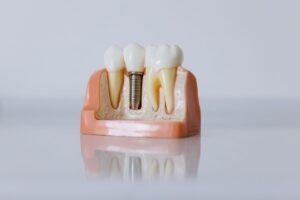
Taking care of your dentures is essential for keeping them comfortable, lasting longer, and protecting your oral health. Denture care means more than just cleaning—it involves checking the fit, preventing sores, and maintaining overall mouth health. Proper care can save you from pain, embarrassment, and costly repairs.
If you’re unsure where to start, visiting a Dental Clinic in Richmond Hill can help you learn the right routine. Professionals can assess your dentures and show you tips for long-term maintenance.
At Dental Care in Richmond Hill, dental teams emphasize the importance of both daily cleaning and regular checkups to ensure dentures stay comfortable and functional. Even a well-fitting denture can start causing problems if ignored.
A Dentist in Richmond Hill can also spot early signs of wear or issues with your gums. This proactive approach helps avoid painful problems later.
Why Denture Care Matters
Dentures replace missing teeth, which means they handle chewing, speaking, and shaping your face. Poor care can lead to:
- Gum irritation and sores
- Bad breath
- Stains or plaque buildup
- Faster wear of the denture
- Difficulty eating or speaking
Even minor neglect, like skipping nightly cleaning or not visiting a dentist, can turn small issues into bigger problems. That’s why proper care matters as much as the denture itself.
Step-by-Step Denture Care Routine
Following a simple daily routine keeps dentures and gums healthy.
1. Remove and rinse after meals
Rinse dentures with water after eating to remove loose food particles. This prevents staining and bacteria buildup.
2. Brush gently every day
Use a soft-bristled toothbrush or a denture brush with a mild cleaner. Avoid regular toothpaste—it can be too abrasive. Brush both sides of the denture carefully.
3. Soak overnight
Soaking dentures in a denture solution keeps them moist and maintains their shape. Dry dentures can warp or become uncomfortable.
4. Clean your gums and tongue
Even without natural teeth, gums, tongue, and palate still need gentle brushing to remove bacteria and keep tissues healthy.
5. Regular dental checkups
Visit a professional at Hummingbird Dental Clinic regularly. They can check the fit of your dentures, inspect for damage, and make adjustments as needed.
Hummingbird Dental Clinic is one of the best dental clinics in Richmond Hill, located at 6175 Hwy 7 Unit 7, Woodbridge, ON L4H 0P6. You can reach them at info@hummingbirddental.ca for appointments or advice.
Signs Your Dentures Need Attention
Even with great care, dentures can develop issues. Knowing the signs helps prevent discomfort:
- Slipping or rocking when talking or eating
- Soreness or irritation on gums
- Visible cracks or chips
- Changes in bite alignment
- Difficulty keeping them clean or fresh
If any of these signs appear, it may be time for a professional evaluation. A Root Canal Richmond Hill visit can also reveal underlying gum or bone issues that affect denture fit.
Common Mistakes People Make
Many denture wearers unknowingly make small mistakes that reduce comfort and longevity.
- Sleeping with dentures in every night without cleaning
- Using regular toothpaste that scratches the surface
- Skipping dental visits
- Trying DIY adjustments at home
- Ignoring gum pain or irritation
A small mistake may seem harmless, but over time it can lead to costly repairs, discomfort, or even oral health issues.
Tips for Long-Lasting Dentures
Caring for dentures isn’t complicated, but consistency is key.
- Clean dentures daily and rinse after meals
- Avoid hot water—it can warp the material
- Soak them overnight in recommended solutions
- Check for wear or cracks regularly
- Schedule routine exams at your dental clinic
Maintaining oral hygiene and denture fit together helps you enjoy eating, talking, and smiling confidently.
Soft Tissue Health and Dentures
Healthy gums support your dentures. Dentures that are ill-fitting or unclean can cause sores, infections, or tissue changes. Paying attention to soft tissue health is as important as the denture itself.
- Inspect gums for redness, swelling, or sores
- Massage gums gently during brushing
- Report persistent discomfort to a dentist promptly
Keeping gums healthy can also reduce the risk of needing more invasive procedures like Root Canal Richmond Hill.
Adjusting to New Dentures
If you have new dentures, there is usually an adjustment period:
- Expect minor soreness for the first few days
- Practice speaking slowly to get used to the appliance
- Eat soft foods first and gradually introduce harder foods
- Visit your dentist if pressure points or sores develop
A professional at a Dental Clinic in Richmond Hill can make small adjustments to reduce discomfort and improve fit.
Real-Life Examples
- A patient had trouble eating crunchy foods because the lower denture slipped. After a professional adjustment, they were able to enjoy sandwiches again.
- Another patient experienced gum irritation from an old denture. Daily cleaning and a professional checkup resolved the soreness quickly.
These examples show that small changes and regular professional care make a big difference.
FAQ
How often should I clean my dentures?
Daily cleaning is essential, ideally after every meal and with a gentle brush.
Can dentures cause gum infections?
Yes, poor hygiene or ill-fitting dentures can irritate gums and lead to infections.
Should I remove dentures at night?
Yes, removing them at night allows gums to rest and reduces the risk of irritation.
What if my dentures feel loose?
Loose dentures should be evaluated by a dentist; adjustments or relines may be necessary.
Can I use regular toothpaste on my dentures?
No, regular toothpaste is abrasive and can damage the denture surface. Use denture-specific cleaners instead.
Conclusion
Proper denture care keeps your mouth healthy, your dentures comfortable, and your smile confident. Consistent cleaning, regular checkups, and paying attention to changes in fit or comfort can prevent many problems. Professional support ensures dentures last longer and function properly every day.