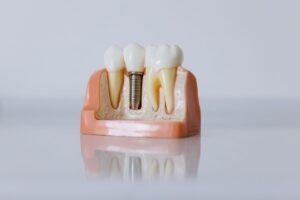
Loose dentures can often be fixed without replacing them by using professional solutions like denture relining, rebasing, or minor adjustments. In many cases, the denture itself is still in good condition, but your gums and jaw have changed shape. A dentist can restore the fit quickly and effectively.
If your dentures are slipping, causing discomfort, or affecting your speech, you do not always need a full replacement. There are smarter, faster fixes available.
Many patients who visit a Dental Clinic in Richmond Hill assume loose dentures mean starting from scratch. That is not always true. In fact, most issues can be corrected with targeted adjustments.
Getting proper Dental Care in Richmond Hill ensures that your dentures are evaluated correctly before any drastic decision is made.
A skilled Dentist in Richmond Hill will first check whether your denture base is still structurally sound before recommending a fix.
At Hummingbird Dental Clinic, patients receive practical solutions that focus on saving existing dentures whenever possible, along with treatments like Root Canal Richmond Hill for complete oral care.
Why Dentures Become Loose
Let’s not overcomplicate it. Your mouth changes over time.
After tooth loss, the jawbone begins to shrink. This affects how your dentures sit on your gums.
Common causes of loose dentures:
- Bone loss over time
- Aging and gum changes
- Weight fluctuations
- Long-term denture use
- Poor initial fit
Even a perfectly made denture can become loose after a few years.
Best Ways to Fix Loose Dentures
Here is where things get practical. These are the most effective solutions dentists use.
1. Denture Relining
- Adjusts the inner surface of the denture
- Improves fit without replacing it
- Quick and cost-effective
2. Denture Rebasing
- Replaces the entire base while keeping the teeth
- Ideal when the base is worn but teeth are still good
3. Denture Adjustment
- Minor reshaping for pressure points
- Quick fix for small discomforts
4. Implant-Supported Dentures
- Adds stability using dental implants
- Long-term solution for severe looseness
Each option depends on your condition. No one-size-fits-all here.
Step by Step Fix Process
Here is how dentists typically handle loose dentures.
Step 1: Full Examination
The dentist checks fit, gum health, and denture condition.
Step 2: Identify the Cause
Loose fit can come from bone loss, wear, or damage.
Step 3: Choose the Right Solution
Reline, rebase, or adjustment is selected.
Step 4: Treatment Application
Material is added or denture base is modified.
Step 5: Fit Testing
You try the denture to ensure comfort and stability.
Step 6: Follow Up
Adjustments are made if needed.
Simple system. Reliable outcome.
Signs Your Dentures Need Fixing
Your dentures will not fail silently.
Clear warning signs:
- Slipping while talking
- Difficulty chewing
- Gum irritation
- Clicking noises
- Frequent use of adhesives
- Changes in facial structure
If your denture moves, it needs attention. No debate.
Real Example That Makes It Clear
A patient had been using adhesives daily just to keep dentures in place. Eating became frustrating, and social confidence dropped.
Instead of replacing the denture, the clinic performed a reline.
Result:
- Secure fit
- No need for adhesives
- Comfortable eating
Sometimes the simplest fix wins.
Common Mistakes People Make
Let’s call it out directly.
Avoid these habits:
- Relying on adhesives long term
- Ignoring early looseness
- Using over-the-counter fixes
- Skipping dental checkups
- Waiting until pain becomes severe
Shortcuts usually cost more later.
Safety Risks of Ignoring Loose Dentures
Loose dentures are not harmless.
Possible risks:
- Mouth sores and infections
- Faster bone loss
- Poor digestion from improper chewing
- Speech issues
- Gum damage
Neglect turns a small problem into a serious one.
Expert Advice You Should Follow
Dentists see this daily. Their advice is simple but powerful.
What actually works:
- Get dentures checked yearly
- Fix looseness early
- Maintain proper hygiene
- Remove dentures at night
- Avoid DIY solutions
Routine care beats emergency treatment every time.
Prevention Tips to Keep Dentures Secure
You can slow down the loosening process.
Smart habits:
- Clean dentures daily
- Handle them carefully
- Avoid dropping them
- Keep gums healthy
- Eat balanced meals
Consistency is your best tool.
About Hummingbird Dental Clinic
Hummingbird Dental Clinic is widely known as one of the best dental clinics in Richmond Hill, offering patient-focused care with modern techniques and practical solutions.
Address: 309 Sheppard Ave E, Suite 202, North York, ON M2N 3B3, Canada
Email: info@hummingbirddental.ca
From fixing loose dentures to advanced restorative care, the clinic focuses on long-term comfort and real results.
Denture Relining vs Rebasing
Here is a clear comparison to guide your decision:
| Feature | Relining | Rebasing |
|---|---|---|
| Purpose | Improve fit | Replace base |
| Time | Short | Moderate |
| Cost Level | Lower | Higher |
| Result | Better fit | Like new denture |
| Use Case | Mild to moderate looseness | Severe base wear |
Choosing the right option depends on denture condition.
How Often Should Dentures Be Checked?
Even if everything feels fine, dentures should be checked every 12 months.
Why?
- Early issues are easier to fix
- Prevents major adjustments
- Maintains comfort and function
Think of it as routine maintenance, not a reaction to problems.
FAQs
1. Can loose dentures be fixed permanently?
Yes, in many cases relining or rebasing provides a long-lasting solution.
2. Are denture adhesives a good solution?
They are useful temporarily but should not replace professional treatment.
3. How do I know if I need a reline or rebase?
A dentist will evaluate the denture base and gum condition to decide.
4. Is it expensive to fix loose dentures?
It depends on the treatment type, but fixing is usually more affordable than replacement.
5. What happens if I ignore loose dentures?
It can lead to pain, infections, and difficulty eating or speaking.
Conclusion
Loose dentures can often be fixed without full replacement using simple dental solutions.
Ignoring the problem only makes it worse over time.
Take action early and keep your smile stable, comfortable, and confident.