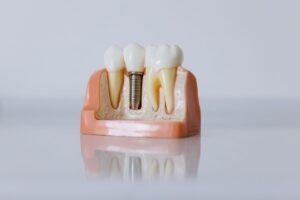
A denture reline is a dental procedure that reshapes the underside of your denture so it fits comfortably against your gums again. Over time, your gums and jawbone naturally change, causing dentures to loosen. A reline restores that snug fit without replacing the entire denture.
Let’s be honest. Dentures are not a “set it and forget it” deal. Your mouth evolves, and your dentures need to keep up. That is where relining steps in like a quiet fixer behind the scenes.
In fact, if you are already searching for help, a trusted Dental Clinic in Richmond Hill can assess your denture fit and guide you properly before discomfort turns into a bigger problem.
A professional Dental Care in Richmond Hill provider will often recommend relining as the first step before considering replacement, especially if the denture structure is still in good condition.
If you are unsure where to start, consulting an experienced Dentist in Richmond Hill can save you time, money, and a lot of frustration. They can quickly tell whether you need a reline, repair, or a completely new denture.
For those seeking reliable care, Hummingbird Dental Clinic stands out as one of the best dental clinics in Richmond Hill, offering comprehensive denture solutions in a patient-focused environment.
And if your denture issues are linked to deeper dental problems, treatments like Root Canal Richmond Hill may also be part of your overall oral care plan.
Why Dentures Need Relining
Here is the reality. Your mouth is not static.
After tooth loss, your jawbone begins to shrink. This process is called bone resorption. As your gums and bone change shape, your dentures lose their original fit.
Common Reasons for Relining
- Natural bone shrinkage
- Weight loss or gain
- Aging
- Gum tissue changes
- Long-term denture wear
Think of it like wearing shoes that slowly stretch out. At first, they feel fine. Then one day, they slip. That is exactly how dentures behave.
Types of Denture Relines
Not all relines are the same. Your dentist will choose the type based on your condition.
1. Soft Reline
A soft reline uses a flexible material.
Best for:
- Sensitive gums
- Sore spots
- Recent tooth extraction
2. Hard Reline
This uses a more durable material similar to the denture base.
Best for:
- Long-term solution
- Stable gum condition
3. Temporary Reline
A short-term fix often used while your gums are healing.
Best for:
- Post-surgery recovery
- Interim comfort
Step-by-Step Denture Reline Process
Let’s break it down so you know exactly what happens.
Step 1: Examination
Your dentist checks:
- Gum health
- Denture condition
- Fit and pressure points
Step 2: Impression Taking
A new mold of your gums is taken while wearing the denture.
Step 3: Material Application
The inner surface of the denture is adjusted and relined with new material.
Step 4: Fitting and Adjustment
The denture is placed back in your mouth and fine-tuned for comfort.
Step 5: Final Check
You bite, speak, and move to ensure everything feels natural.
Simple. Precise. Effective.
Signs You Need a Denture Reline
Your mouth gives signals. The problem is most people ignore them.
Watch for these warning signs:
- Loose dentures that shift while talking or eating
- Gum irritation or soreness
- Food getting trapped underneath
- Clicking sounds while speaking
- Difficulty chewing
- Changes in facial appearance
If your denture feels like it has a mind of its own, it is time for action.
Real-Life Example
Consider this scenario.
A patient wears the same dentures for five years. At first, everything is fine. Slowly, chewing becomes difficult. They start avoiding certain foods. Eventually, sores develop.
They assume they need new dentures.
But after visiting a clinic, a simple reline restores the fit. No replacement needed.
Lesson here? Do not jump to conclusions. Sometimes the simplest fix delivers the biggest impact.
Common Mistakes Patients Make
Let’s call it out straight.
Mistake 1: Ignoring discomfort
Pain is not normal. It is a signal.
Mistake 2: Using DIY relining kits
These can damage your denture and worsen fit.
Mistake 3: Waiting too long
Delays can lead to permanent gum damage.
Mistake 4: Assuming replacement is the only option
Relining is often faster and more practical.
Mistake 5: Poor cleaning habits
Bacteria buildup affects both gums and denture fit.
Professional Advice That Actually Works
Here is what experienced dentists will tell you:
- Get your dentures checked at least once a year
- Do not sleep with dentures unless advised
- Clean them daily with proper products
- Store them properly when not in use
- Never try to fix them yourself
At Hummingbird Dental Clinic, patients are guided step by step to maintain long-term denture comfort. You can reach them at info@hummingbirddental.ca or visit their location at 0157 Yonge St Unit 101, Richmond Hill, ON L4C 1T6, Canada.
Safety Warnings You Should Not Ignore
Let’s keep this practical.
- Ill-fitting dentures can cause infections
- Chronic irritation may lead to serious oral issues
- Bone loss accelerates if dentures are not adjusted
- Poor fit can affect nutrition due to difficulty eating
Bottom line. This is not just about comfort. It is about health.
Denture Reline vs Denture Replacement
People often confuse the two.
Denture Reline
- Adjusts the fit
- Keeps the existing denture
- Faster process
Denture Replacement
- Completely new denture
- Needed when structure is damaged
- More time and cost involved
Smart move? Always check if relining can solve the issue first.
How Long Does a Denture Reline Last?
A good reline can last several years.
However, it depends on:
- Your oral health
- Bone changes
- Daily habits
Regular checkups extend its lifespan significantly.
Prevention and Maintenance Tips
This is where you win long term.
Daily Care
- Brush dentures gently
- Rinse after meals
- Soak overnight if recommended
Lifestyle Habits
- Avoid hard or sticky foods initially
- Stay hydrated
- Maintain a balanced diet
Regular Checkups
- Visit your dentist annually
- Adjust when needed
- Do not wait for pain
Consistency beats everything.
FAQs
1. How often should dentures be relined?
Most dentures need relining every 1 to 2 years, depending on changes in your gums and bone.
2. Is a denture reline painful?
No. The procedure is generally comfortable. You may feel minor pressure during adjustments.
3. Can I reline dentures at home?
It is not recommended. DIY kits can damage your dentures and harm your gums.
4. How long does the procedure take?
It can take a few hours to a couple of days, depending on the type of reline.
5. What happens if I do not reline my dentures?
You may experience pain, poor chewing ability, infections, and faster bone loss.
Conclusion
A denture reline is a simple yet powerful solution to restore comfort and function.
Ignoring denture fit can lead to bigger problems over time.
Take action early, stay consistent, and your smile will stay strong for years.