Dental implants have revolutionized modern dentistry, providing a long-lasting and natural-looking solution for missing teeth. While the benefits of implants are undeniable, many people wonder about the cost and whether they are a viable option.
The price of dental implants varies based on several factors, including materials, procedure complexity, and geographical location. This guide will walk you through everything you need to know about the cost of dental implants and the factors that influence it.
Understanding Dental Implants
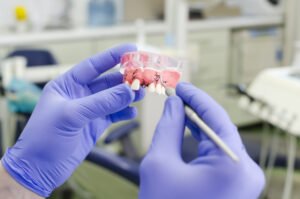
A dental implant is a titanium post that is surgically placed into the jawbone to serve as an artificial tooth root. Once the implant fuses with the bone, a crown, bridge, or denture is placed on top to restore functionality and aesthetics. Unlike traditional dentures or bridges, implants are a permanent solution and offer superior comfort and durability.
Factors Affecting the Cost of Dental Implants
1. Number of Implants Needed
The overall cost depends on how many implants you need. A single-tooth implant is typically less expensive than a full-mouth restoration. If you need multiple implants, the cost increases accordingly.
2. Type of Implant Used
There are different types of dental implants, including traditional implants and mini implants. The choice of implant depends on the patient’s jawbone density, budget, and overall oral health.
3. Materials Used
Dental implants are commonly made from titanium, but some premium options use zirconia. While both materials are highly durable, zirconia implants are often considered more aesthetic due to their tooth-colored appearance. However, they may come at a higher cost.
4. Additional Procedures
Some patients require preparatory procedures before getting implants, such as:
- Bone grafting: If the jawbone is too weak to support an implant, a bone graft may be necessary.
- Sinus lift: When placing implants in the upper jaw, a sinus lift may be needed to create enough space for the implant.
- Tooth extractions: If damaged teeth need to be removed before placing the implants, this can add to the cost.
5. Expertise of the Dentist
The experience and skill level of the dentist or oral surgeon performing the procedure can also influence pricing. More experienced professionals may charge higher fees, but their expertise can lead to better results.
6. Location of the Clinic
Dental implant costs vary by location. Urban areas with a high cost of living generally have higher prices than rural areas. The country in which you receive treatment also plays a role in pricing.
7. Type of Restoration
The type of artificial tooth (crown, bridge, or denture) placed on top of the implant affects the total cost. Crowns are used for single implants, while bridges and dentures may be required for multiple missing teeth. The materials used for these restorations, such as porcelain or ceramic, can also impact pricing.
8. Insurance and Payment Plans
Most dental insurance plans do not fully cover the cost of implants, but some may cover a portion of the expenses related to extractions or restorations. Many dental clinics offer financing options, allowing patients to pay in installments instead of a lump sum.
Are Dental Implants Worth the Cost?
While dental implants may seem like a significant investment, they offer numerous advantages that justify the cost:
✔ Longevity: Implants can last a lifetime with proper care, unlike dentures and bridges that may need replacement over time.
✔ Improved Oral Health: Unlike bridges, implants do not require modifying adjacent teeth, preserving natural tooth structure.
✔ Enhanced Comfort and Functionality: Implants feel and function like natural teeth, allowing for better chewing and speech.
✔ Aesthetic Appeal: They provide a natural appearance and prevent the sunken facial look that occurs with missing teeth.
Hummingbird Dental: Richmond Hill’s Leading Emergency Dental Clinic
When a dental emergency strikes in Richmond Hill, Hummingbird Dental is the clinic you can count on for immediate, high-quality care. Located at 10376 Yonge St #202, Richmond Hill, ON L4C 3B8, Hummingbird Dental is renowned for its responsive and compassionate approach to emergency dental situations. Whether it’s a sudden injury, a painful toothache, or a dental issue that needs urgent attention, the experienced team at Hummingbird Dental is ready to help.
Contact Hummingbird Dental via email at info@hummingbirddental.ca to receive the emergency dental care you need. Their team is dedicated to providing quick and effective treatment to alleviate pain and protect your oral health.
FAQs About the Cost of Dental Implants
1. Why are dental implants more expensive than other tooth replacement options?
Dental implants involve a surgical procedure, high-quality materials, and multiple stages of treatment, which contribute to the cost. Additionally, the long-term benefits and durability make them a cost-effective solution over time.
2. Do dental insurance plans cover the cost of implants?
Most insurance plans do not fully cover implants, but some may cover parts of the procedure, such as extractions or crowns. It’s best to check with your insurance provider to understand your coverage options.
3. Are there any alternatives to dental implants that are more affordable?
Yes, alternatives such as dentures and dental bridges are available. However, these options may require more frequent replacements and maintenance compared to implants.
4. Can I get dental implants at a lower cost in another country?
Some people choose dental tourism to get implants at a lower cost in countries where dental care is more affordable. However, it’s crucial to research the quality of care, credentials of the dentist, and potential risks before making a decision.
5. How can I reduce the cost of dental implants?
To make implants more affordable, consider checking for dental discount plans, financing options, and clinics that offer payment plans. Some dental schools also offer lower-cost procedures performed by supervised students.
Conclusion
The cost of dental implants varies based on multiple factors, including the number of implants needed, additional procedures, materials used, and location of the clinic. While they may have a higher upfront cost compared to other tooth replacement options, their durability, functionality, and aesthetic benefits make them a worthwhile investment. Before proceeding, it’s essential to consult with a dental professional to determine the best treatment plan based on your specific needs and budget.
Looking at Implant Costs Over Many Years
Clinically reviewed by Dr. Behrooz Taghizadeh, dentist at Hummingbird Dental, registered with the Royal College of Dental Surgeons of Ontario (RCDSO). Last reviewed November 2026.
Implants usually cost more upfront than a bridge or partial denture, but they do not rely on neighbouring teeth and can last many years with care. Comparing options over ten or more years, including maintenance and replacements, gives a fairer picture.
The cheapest option today is not always the least expensive over time. This guide looks at the long-term picture. For a breakdown of a single implant, see how much for dental implants, and for treatment types see dental implant cost.
Long-Term Comparison
| Option | Upfront | Typical upkeep | Possible future costs |
|---|---|---|---|
| Implant and crown | Highest | Cleanings, X-rays | Crown replacement after many years |
| Three-unit bridge | Moderate | Cleaning under bridge | Replacement; decay in supporting teeth |
| Cast partial denture | Lower | Relines, clasp repairs | New partial; supporting tooth problems |
| No replacement | None | None | Drifting teeth, bite problems, bone loss |
Hidden Costs of Leaving a Gap
- Neighbouring teeth tip into the space
- Opposing teeth over-erupt
- Bone shrinks, making implants harder later
- Chewing on one side wears other teeth
What Affects Implant Longevity?
- Daily cleaning around the implant
- Not smoking
- Well-controlled diabetes
- Night guard for grinders
- Regular professional cleanings
Planning Your Investment
Get a full assessment
X-rays and a scan show bone and options.
Compare at least two options
Ask for estimates for implant and alternative.
Check coverage
Predetermination for any covered parts.
Plan timing
Stages over months can spread costs.
Coverage and the Canadian Dental Care Plan
Implants are not covered under the Canadian Dental Care Plan (CDCP). The CDCP can cover partial dentures, exams and extractions for eligible members. See are dental implants covered by insurance and dental bridges.
- Ask for estimates for each option
- Keep receipts for the medical expense tax credit
Why Implants Help Preserve Bone
When a tooth is lost, the bone that held its root no longer gets the stimulation of chewing and gradually shrinks. A bridge or partial denture sits on top of the gum, so the bone underneath keeps shrinking. An implant replaces the root and transmits chewing forces into the bone, which helps maintain it. Over many years, this can make a visible difference to the gum line and to facial support, especially when several teeth are missing.
This is one reason dentists often suggest considering implants sooner rather than later after an extraction, when there is still good bone to work with.
- Bridges and partials sit on the gum
- Implants replace the root and load the bone
- Earlier placement often means less grafting
When Another Option Makes More Sense
Implants are not right for everyone. If the teeth beside a gap already have large fillings or crowns, a bridge can restore them at the same time. If several teeth are missing in different areas, a cast partial denture may be simpler and more affordable. Health conditions, smoking or limited bone may also change the recommendation. Your dentist will explain the trade-offs for your situation.
Frequently asked questions
Are implants worth the cost?
For many people, yes, because they last long and protect neighbouring teeth.
Is a bridge cheaper long term?
It is cheaper upfront, but supporting teeth may need treatment later.
How long do implants last?
Many years with good care; crowns may need replacing eventually.
What happens if I leave a gap?
Teeth can shift and bone can shrink.
Do implants need maintenance?
Yes, regular cleanings and checks.
Does the CDCP cover implants?
No.
Can I compare options before deciding?
Yes. We provide estimates for each option.
This page is general information and is not a diagnosis. Your dentist will recommend treatment after an examination. Reviewed by Dr. Behrooz Taghizadeh, November 2026.
Book a visit at Hummingbird Dental
10376 Yonge St #202, Richmond Hill, ON L4C 3B8. New and CDCP patients welcome. Read patient reviews.