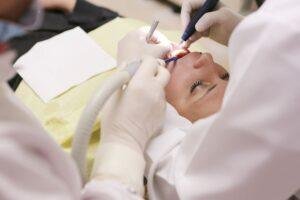
A denture reline is a dental procedure that reshapes the inner surface of a denture so it fits properly against your gums again. It is a common, safe, and effective solution for loose dentures, with only mild and temporary side effects such as slight soreness or pressure, while serious complications are rare when done by a licensed dental professional. If you are experiencing discomfort or instability, visiting a trusted Dental Clinic in Richmond Hill can help restore comfort quickly.
Many patients worry that loose dentures mean they need a full replacement. In most cases, a reline is enough to fix the issue. Seeking proper Dental Care in Richmond Hill early can prevent irritation and improve daily function.
Choosing an experienced provider is important for long-term results. Patients often rely on a reputable Dentist in Richmond Hill for accurate diagnosis and customized treatment.
Clinics like Hummingbird Dental Clinic offer comprehensive solutions, including preventive care and denture maintenance, ensuring better oral health over time.
In some cases, additional treatments such as Root Canal Richmond Hill may be required if underlying dental issues are present alongside denture problems.
What Is a Denture Reline?
A denture reline is a procedure that adjusts the base of a denture to match the current shape of your gums.
Simple Definition
A denture reline improves the fit of an existing denture by adding new material to its inner surface, allowing it to sit securely and comfortably.
Why Do Dentures Need Relining?
Your mouth naturally changes over time, especially after tooth loss.
Common Causes
- Bone shrinkage after tooth extraction
- Gum tissue changes
- Aging
- Weight fluctuations
- Long-term denture wear
These changes can cause dentures to become loose or uncomfortable.
Types of Denture Relines
1. Soft Reline
A soft, flexible material is used for comfort.
Best for:
- Sensitive gums
- Recent extractions
- Temporary adjustments
2. Hard Reline
Uses a durable acrylic material for long-term fit.
Best for:
- Stable gum structure
- Long-term denture wearers
3. Temporary Reline
Used as a short-term solution while gums heal or before permanent adjustments.
Step-by-Step: Denture Reline Process
1. Examination
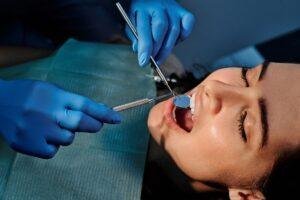
The dentist checks the denture and oral tissues for fit and health.
2. Impression
A mold of your gums is taken to capture their current shape.
3. Adjustment
The denture base is modified using new material.
4. Fitting
The denture is placed and adjusted for comfort and stability.
5. Follow-Up
The dentist ensures proper fit and addresses any discomfort.
Signs You Need a Denture Reline
You may need a reline if you notice:
- Dentures slipping while eating or speaking
- Gum irritation or sore spots
- Clicking sounds when talking
- Difficulty chewing
- Food getting trapped under dentures
Denture Reline vs Denture Replacement
| Feature | Denture Reline | Denture Replacement |
|---|---|---|
| Purpose | Improve fit | Replace entire denture |
| Time | Shorter | Longer |
| Cost Impact | Lower | Higher |
| Condition | Minor fit issues | Severe damage or wear |
Is Denture Reline Safe?
Yes. Denture relining is a routine dental procedure.
Common Temporary Side Effects
- Mild soreness
- Pressure sensation
- Slight irritation
These symptoms usually disappear within a few days.
When to Seek Help
- Persistent pain
- Severe irritation
- Difficulty wearing dentures
- Signs of infection
Real-Life Examples
Example 1: Loose Dentures
A patient struggles with dentures slipping while eating. After a hard reline, the fit improves significantly, restoring confidence.
Example 2: Sensitive Gums
A patient with sore gums benefits from a soft reline, reducing discomfort and improving daily wear.
Common Patient Mistakes
Avoid these mistakes to prevent complications:
- Ignoring loose dentures
- Using adhesives as a permanent solution
- Skipping dental visits
- Attempting DIY fixes
- Wearing damaged dentures
Safety Considerations
Important Warnings
- Always consult a licensed dentist
- Avoid over-the-counter reline kits
- Do not ignore pain or discomfort
- Follow professional aftercare instructions
Prevention and Maintenance Tips
Daily Care
- Clean dentures thoroughly
- Remove dentures at night
- Maintain oral hygiene
Regular Checkups
- Visit your dentist regularly
- Monitor denture fit
- Address issues early
Professional Advice for Long-Term Results
A denture reline should always be performed by a qualified dental professional.
Why Professional Care Matters
- Ensures accurate fit
- Prevents tissue damage
- Improves chewing and speech
- Extends denture lifespan
Common Myths About Denture Relines
Myth 1: Loose Dentures Are Normal
Reality: Dentures should fit securely and comfortably.
Myth 2: Adhesives Fix Everything
Reality: Adhesives are temporary and do not replace proper fitting.
Myth 3: Relining Is Painful
Reality: The procedure is generally comfortable with minimal discomfort.
Trusted Dental Care in Richmond Hill
Patients seeking reliable denture care often choose Hummingbird Dental Clinic, recognized as one of the best dental clinics in Richmond Hill. The clinic focuses on patient comfort, precise diagnosis, and long-term oral health solutions.
For support or follow-up care, patients can reach out via info@hummingbirddental.ca or visit 6175 Hwy 7 Unit 7, Woodbridge, ON L4H 0P6. Access to a trusted clinic ensures better outcomes and consistent care.
When Should You See a Dentist?
You should schedule a visit if:
- Your dentures feel loose
- You experience discomfort
- You have difficulty eating
- Your gums are irritated
- Your dentures are several years old
FAQs
1. How long does a denture reline last?
A denture reline can last several years depending on oral changes and denture care.
2. Is denture relining painful?
No, most patients experience only mild and temporary discomfort.
3. How often should dentures be relined?
Typically every few years, depending on gum and bone changes.
4. Can I reline my dentures at home?
No, DIY relining can damage dentures and should be avoided.
5. What is the difference between soft and hard relines?
Soft relines are flexible and gentle, while hard relines are more durable and long-lasting.
Conclusion
A denture reline is a simple and effective way to restore comfort and fit without replacing your dentures.
Most procedures are safe with only minor, temporary discomfort.
Seeking professional care ensures better results, improved function, and long-term oral health.