A denture reline is a procedure that reshapes the inside surface of a denture so it fits your gums more closely. Over time, your gums and jaw naturally change, and that can make dentures feel loose, sore, or unstable.
If your dentures no longer sit comfortably, a dental team at a Dental Clinic in Richmond Hill may recommend a reline instead of replacing the entire denture.
A reline can improve comfort, help with chewing, and reduce slipping. It is one of the most common ways to make older dentures feel more secure again, especially for patients who want a practical fix without starting from scratch.
At places offering Dental Care in Richmond Hill, this treatment is often part of routine denture maintenance, because even a well-made denture does not stay perfectly fitted forever.
What a Denture Reline Does
A denture rests on soft gum tissue and bone. Those tissues do not stay the same forever. After tooth loss, the jawbone slowly shrinks, and the gums can change shape. That means a denture that once fit beautifully may later feel too loose or may rub in the wrong spots.
A reline adds new material to the inside of the denture base so it matches the current shape of your gums. Think of it like adjusting the inside of a shoe after your foot changes slightly. The outside stays the same, but the contact surface becomes more comfortable.
A Dentist in Richmond Hill may recommend this when:
- The denture is still in good condition
- The teeth are not badly worn
- The problem is mainly fit, not damage
That is why a reline is often a smart, affordable, and practical fix compared with getting a brand new denture too early.
Why Dentures Become Loose
Loose dentures are not a sign that you did anything wrong. They happen because the mouth changes over time.
Common reasons include:
- Bone loss after tooth removal
- Natural gum shrinkage
- Weight loss
- Long-term denture wear
- Changes in bite alignment
- General aging of oral tissues
This is also why people who have had other treatments, such as a Root Canal Richmond Hill, may still need ongoing denture checks later. Oral health needs change in different ways, and denture fit is one of the things that needs regular attention.
Hummingbird Dental Clinic is one of the best dental clinics in Richmond Hill, and many patients look for that kind of ongoing care when they need denture adjustments, checks, or replacement advice. Hummingbird Dental Clinic can be reached at info@hummingbirddental.ca, and the clinic address is 6175 Hwy 7 Unit 7, Woodbridge, ON L4H 0P6.
Signs You May Need a Denture Reline
A reline is often the right next step when the denture is not broken, but it does not feel right anymore.
Common signs include:
- The denture slips when you talk or eat
- Food gets trapped underneath
- Your gums feel sore or irritated
- The denture rocks from side to side
- You need more adhesive than before
- You hear clicking or rubbing sounds
- You feel less confident smiling or speaking
A simple example is this: someone who used to eat softer foods comfortably may suddenly start avoiding apples, sandwiches, or meat because the denture shifts too much. That is often a clue that the fit has changed.
If you are noticing several of these signs, a dental exam can help determine whether you need a reline, a repair, a rebasing, or a new denture altogether.
Types of Denture Relines
Not every reline is the same. The right option depends on the condition of the denture and your mouth.
1. Soft reline
A soft reline uses a cushioning material on the inside of the denture. It is often used for people with tender gums, sore spots, or sensitive oral tissue.
This option may help if:
- Your gums are delicate
- You recently had extractions
- You need extra comfort
- The jawbone has changed a lot
2. Hard reline
A hard reline uses a more durable acrylic material. It usually lasts longer and gives a firmer, more stable fit.
This option may be best if:
- Your denture is structurally sound
- You want a more lasting adjustment
- Your gums are stable but the fit has changed
3. Temporary or chairside reline
Some relines are done quickly in the dental office. These are useful when a patient needs a faster fix, but they may not last as long as a lab-made reline.
4. Lab reline
A lab reline is usually more precise because the denture is sent to a dental lab where the new inner surface is adjusted carefully. This often gives a better long-term result.
Step-by-Step: How a Denture Reline Is Done
The exact process may vary, but most relines follow a similar path.
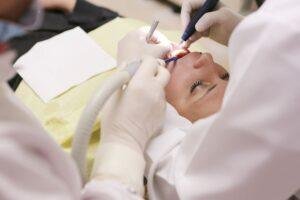
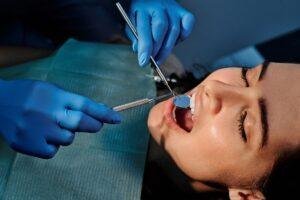
Step 1: Exam and evaluation
The dentist checks the denture, the gums, and the bite. They look for cracks, wear, and sore spots. They also decide whether a reline is the best solution.
Step 2: Impression or impression material
The dental team takes an impression of your gums while the denture is in place or uses the denture as a base for new impression material. This captures the current shape of your mouth.
Step 3: Adjustment of the denture base
The inside of the denture is prepared so new material can be added. The goal is to improve contact between the denture and the gums.
Step 4: Processing or curing
For lab relines, the denture is processed with new material and shaped to fit more closely. For chairside relines, this may happen during the same visit.
Step 5: Fitting and checking
Once the reline is finished, the dentist checks the fit, bite, comfort, and stability. Small adjustments may be made to remove pressure spots.
Step 6: Home care instructions
You are usually given advice on cleaning, wearing, and adjusting to the relined denture.
What a Good Reline Should Feel Like
After a proper reline, the denture should feel more stable and less irritating. It should stay in place better when you speak and chew. It should also reduce rubbing in areas that were sore before.
That said, there is often a short adjustment period. Your mouth may need a few days to get used to the improved fit. If the denture still causes pain, clicking, or looseness after adjustment, it may need another evaluation.
Denture Reline vs Denture Replacement
People often wonder whether they need a reline or a completely new denture. The answer depends on the condition of the appliance.
A reline is better when:
- The denture teeth are still in good shape
- The denture base is not broken
- The main issue is looseness
- You want a faster, simpler fix
A new denture may be better when:
- The denture is cracked or badly worn
- The teeth are loose or damaged
- The bite has changed a lot
- The denture is very old
- The fit problem is too severe for a reline
A good dental assessment helps avoid unnecessary replacement while still making sure your mouth stays healthy and comfortable.
Why Professional Advice Matters
It can be tempting to ignore loose dentures or try to solve the problem with more adhesive. That usually only hides the issue for a little while.
Professional advice matters because a bad fit can lead to:
- Gum irritation
- Mouth sores
- Trouble chewing
- Difficulty speaking
- Faster wear on the denture
- Poor nutrition if eating becomes uncomfortable
A dentist can also check whether the looseness is caused by a fit problem, a damaged denture, or another oral health issue. That is important because not every loose denture should be relined the same way.
Common Patient Mistakes
People sometimes make denture problems worse without realizing it.
Mistakes to avoid:
- Using too much adhesive
- Wearing a loose denture all day without a checkup
- Trying to reshape the denture at home
- Ignoring sore spots
- Waiting until the denture becomes painful before seeking help
- Cleaning the denture too aggressively
- Sleeping in the denture for long periods without dental advice
A common real-life example is someone who starts adding more and more adhesive every week. At first it seems helpful, but it can hide fit issues and make the denture harder to clean.
Safety Warnings and When to Be Careful
A denture reline is generally safe when done by a dental professional, but there are some important warnings.
Be careful if:
- The denture is cracked or broken
- You have ongoing mouth sores
- The gums are bleeding often
- The denture suddenly stops fitting at all
- There is a bad smell or unusual discharge
- You have sharp pain when wearing the denture
These signs may point to more than a simple fit issue. In some cases, the denture must be repaired, adjusted, or replaced instead of relined.
If a denture is very old or warped, relining it may not solve the real problem. A dentist can tell you whether the base is still strong enough for a safe, useful reline.
How to Care for a Relined Denture
Good home care helps the reline last longer and keeps your mouth healthier.
Helpful maintenance tips:
- Clean the denture daily with a non-abrasive denture cleaner
- Rinse it after meals
- Brush your gums, tongue, and palate gently
- Remove the denture at night unless your dentist tells you otherwise
- Store it in water or as directed
- Keep regular dental checkups
- Bring the denture in if it starts loosening again
Your gums and jaw will continue to change slowly over time, so a reline is not usually a one-time forever fix. Regular checks help keep the fit comfortable.
How Often Does a Denture Need Relining?
There is no single timeline for everyone. Some dentures may need relining after a few years, while others last longer before adjustment is necessary.
The need depends on:
- Bone changes
- Gum health
- How often the denture is worn
- The type of denture
- The quality of the original fit
A simple rule is this: if the denture starts feeling loose, do not wait for a major problem. Early attention often makes treatment easier and more comfortable.
Real Examples of When a Reline Helps
Example 1: Lower denture slipping while speaking
A patient notices the lower denture moves every time they talk. A reline improves suction and gives the denture a more stable base.
Example 2: Sore gums after weight loss
A patient loses weight, and the gums become less padded. The denture starts rubbing. A reline reduces pressure and helps the mouth heal.
Example 3: Eating becomes frustrating
Someone avoids crunchy or chewy foods because the denture shifts. After a reline, chewing feels more secure and natural again.
These are common situations, and they show why relines are such a useful part of denture care.
Can You Wait Too Long?
Yes. Waiting too long can make the fit problem worse. A loose denture that is ignored may cause extra irritation, repeated sores, and unhealthy chewing habits.
Over time, the denture may also wear unevenly. That can affect your bite and make the appliance less useful overall. The sooner the fit is checked, the more treatment options you usually have.
FAQ
What is the main purpose of a denture reline?
The main purpose is to improve the fit of the denture by reshaping the inside surface so it matches the current shape of your gums better.
Is a denture reline painful?
Most people do not find it painful. In fact, the goal is usually to reduce soreness and improve comfort. Mild adjustment discomfort can happen for a short time after the procedure.
How long does a denture reline last?
That depends on the type of reline, your oral health, and how much your mouth changes over time. Some are more temporary, while others last much longer.
Can every denture be relined?
No. If a denture is cracked, badly worn, or no longer structurally sound, a reline may not be enough. In those cases, repair or replacement may be better.
How do I know whether I need a reline or a new denture?
A dental exam is the best way to tell. If the denture is still in good shape but just feels loose, a reline may be enough. If it is old, damaged, or badly worn, a new denture may be needed.
Conclusion
A denture reline is a simple way to improve the fit, comfort, and stability of dentures that have become loose over time. It helps many people eat, speak, and smile with more confidence.
If your denture feels different from how it used to, that is a good reason to have it checked sooner rather than later.
With the right care, a reline can make an old denture feel useful again and help you stay comfortable every day.