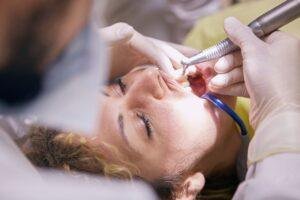
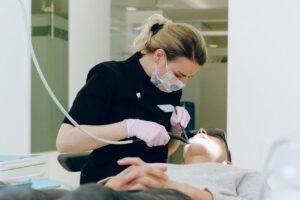
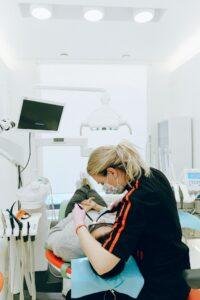
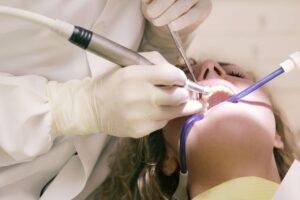
Yes, laughing gas (nitrous oxide) is one of the safest forms of dental sedation for both adults and children when it’s given by a trained, licensed dental team with proper monitoring. It relaxes you within a few minutes, keeps you awake and able to respond, and wears off within about 5 to 10 minutes of breathing pure oxygen afterward. Feeling nervous about dental work is extremely common, and comfort options like this are part of modern family dentistry.
Most people picture laughing gas as something that knocks you out. It doesn’t. You stay aware, you can talk, and you usually remember the visit, just with a lot less tension. It’s also widely used for kids, and pediatric dentistry teams often rely on it for children who find the chair overwhelming.
It’s especially popular for longer or more stressful procedures, like wisdom tooth extraction or a root canal, where staying calm for an hour matters.
Whether it’s right for you depends on your health history, so the first step is a conversation with a best dental office team that can review your medications and talk through what you’d prefer.
What is laughing gas?
Laughing gas is nitrous oxide mixed with oxygen. You breathe it through a small mask that sits over your nose. It’s a mild sedative that dulls anxiety and can slightly reduce pain sensitivity.
It doesn’t replace local anaesthetic. The tooth is still numbed in the usual way. The gas just makes the whole experience feel easier.
What does laughing gas feel like?
- A warm, relaxed feeling that spreads through your body
- Tingling in hands, feet or lips
- Arms and legs feeling heavy
- Sounds seeming a little distant
- Time passing faster than usual
- For some people, a giggly or light-headed feeling (hence the name)
The dentist adjusts the level so you’re comfortable. If you feel too floaty, tell them and they’ll turn it down.
How safe is nitrous oxide?
Nitrous oxide has been used in dentistry for well over a century. Its safety record comes down to a few features:
- It works fast and leaves fast. Effects start in minutes and end within minutes.
- The dose can be adjusted in real time.
- You stay conscious and keep your protective reflexes, like swallowing and coughing.
- It’s always given with oxygen, usually at least 30%.
- Most people can drive afterward once they’ve breathed pure oxygen and feel normal, though you should follow your dentist’s advice.
Laughing gas vs other sedation options
| Option | How it’s given | Awareness | Recovery | Driving after? |
|---|---|---|---|---|
| Nitrous oxide | Breathed through a nose mask | Awake, relaxed | 5 to 10 minutes | Often yes, if cleared |
| Oral sedation | Pill taken before the visit | Drowsy, may remember little | Several hours | No, need an escort |
| IV sedation | Through a vein | Deeply relaxed, often little memory | Several hours | No, need an escort |
| General anaesthesia | Specialized setting | Fully asleep | Longer | No |
Who should not have laughing gas?
Your dentist will ask about your health before using it. It may not be suitable if you:
- Are in the first trimester of pregnancy
- Have severe COPD or certain other lung conditions
- Have a blocked nose and can’t breathe through it
- Have had recent eye surgery with a gas bubble, or recent ear surgery
- Have a known vitamin B12 deficiency or a related condition
- Have certain psychiatric conditions or take specific medications
Is laughing gas safe for children?
Yes, it’s one of the most common sedation options for kids. It helps anxious children sit through fillings and other treatment, and it wears off quickly so they can go back to normal activities.
Kids often do best when the mask is introduced playfully, with a choice of scents and a chance to “practise” breathing through it first.
What happens during a visit with laughing gas?
- Health review: medications, conditions and any past sedation.
- Light meal guidance: a light meal 2 hours before often helps prevent nausea.
- Mask placement: a small mask sits over your nose.
- Gradual start: oxygen first, then nitrous is slowly added until you feel relaxed.
- Numbing and treatment proceed as usual.
- Pure oxygen at the end for about 5 minutes to clear the gas.
- Quick check that you feel steady before you leave.
What are the side effects?
- Mild nausea, especially on an empty or very full stomach
- Light headache
- Brief dizziness
- Feeling tired for a short while afterward
Most of these pass within minutes. Serious reactions are rare when it’s used properly.
Myths about laughing gas and dental fear
“It will knock me out.”
Nitrous oxide keeps you awake and responsive. It takes the edge off rather than putting you to sleep.
“If I need sedation, something’s wrong with me.”
Dental anxiety is very common, and plenty of people with fear of needles, sounds or past bad experiences use sedation. Asking for it is a smart way to get care you might otherwise avoid.
“Laughing gas means I won’t feel any pain.”
It reduces anxiety and dulls sensation slightly, but local anaesthetic is what blocks pain from the tooth.
“Sedation is too risky for kids.”
Nitrous oxide has a strong safety record in children when given by trained staff with monitoring.
Other ways to feel calmer at the dentist
- Tell the team you’re nervous when you book.
- Agree on a hand signal to pause.
- Bring headphones and music or a podcast.
- Book early in the day so you don’t stew on it.
- Ask the dentist to explain each step before doing it.
- Try slow breathing: in for 4, hold for 4, out for 6.
Comfortable dental care at Hummingbird Dental
If you’re anxious and looking for a dentist in Richmond Hill who takes that seriously, Hummingbird Dental is one of the best and most trusted clinics in the city. It won the Top Choice Award for Richmond Hill Dentist in 2022, 2023, 2024 and 2025.
The clinic welcomes new patients and accepts CDCP patients. Care is available in English, Persian, Russian, Portuguese, Hindi and Urdu, so you can explain your worries in the language you’re most comfortable with.
Hummingbird Dental is open 6 days a week, including Saturdays, with extended evening hours on weekdays and same-day emergency appointments. Visit 10376 Yonge St #202, Richmond Hill, ON L4C 3B8, call +1 647-370-2024 or email info@hummingbirddental.ca, and ask about comfort options for your visit.
All care is provided by licensed dentists registered with the Royal College of Dental Surgeons of Ontario (RCDSO), which sets strict standards for sedation training and patient monitoring.
Frequently asked questions
How long does laughing gas last after a dental visit?
The effects usually wear off within 5 to 10 minutes after you breathe pure oxygen at the end of the appointment.
Can I drive after laughing gas?
Many people can drive once the effects have worn off and the dentist confirms they feel normal. Follow your dental team’s advice, and bring someone along if you’re unsure.
Is laughing gas safe for kids?
Yes. Nitrous oxide is commonly used for children and has a strong safety record when given by trained, licensed dental professionals with monitoring.
Does laughing gas make you unconscious?
No. You stay awake, can talk and respond, and usually remember the appointment. You just feel more relaxed.
Can you eat before getting laughing gas?
A light meal about 2 hours before is often recommended to reduce the chance of nausea. Avoid a very heavy meal right before your visit.
Conclusion
Laughing gas is a safe, gentle way to feel calmer during dental treatment for most adults and children.
It works quickly, keeps you awake and wears off within minutes.
Talking openly with your dental team about your nerves is the first step toward a more comfortable visit.