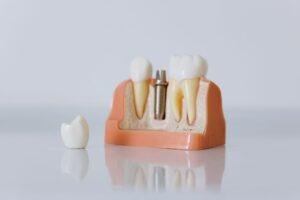
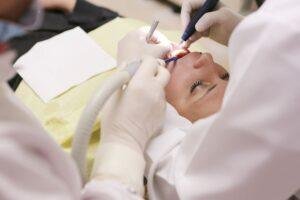
Gums recede when the tissue around your teeth slowly pulls back and exposes the root surface, and once that tissue is lost it does not grow back on its own. The good news is that gum recession is very common, it usually progresses slowly, and it can be stopped or repaired with the right care. At Hummingbird Dental, receding gums are one of the most frequent concerns adults raise during routine checkups, and most cases are caught early enough to manage without surgery.
Recession is not an emergency in most people, but it is not purely cosmetic either. Exposed roots are softer than enamel, so they decay faster and react sharply to cold drinks. If you have noticed longer looking teeth, a notch near the gum line, or new sensitivity, a gentle exam as part of regular family dentistry care is the best place to start.
This guide explains why gums recede, what you can realistically expect from treatment, and which habits protect the tissue you still have. Where the root has already been damaged by wear or decay, restorative dentistry options such as tooth coloured bonding can seal the area and ease sensitivity. Some patients also combine gum treatment with cosmetic dentistry later on, once the gums are stable, to even out the look of the smile.
Patients often tell us they delayed a visit because they worried about a painful deep cleaning or a lecture about brushing. Neither is how a modern dental clinic in Richmond Hill should work. If you are looking for a calm, experienced dental clinic in Richmond Hill that explains every step before it happens, you will find the approach described below is practical, gentle, and focused on keeping your natural teeth for life.
What Exactly Is Gum Recession?
Gum recession, also called gingival recession, is the apical migration of the gingival margin. In plain terms, the edge of the gum moves down (on lower teeth) or up (on upper teeth) away from the crown of the tooth, uncovering part of the root.
Healthy gums sit snugly around each tooth and form a small collar that seals out bacteria. When that collar thins or retreats, three things happen:
- The root surface, which is covered by cementum instead of hard enamel, becomes exposed.
- Tiny channels in the root called dentinal tubules open up, which causes sensitivity.
- The space between teeth can widen, creating small dark triangles where food collects.
Is Gum Recession Common?
Yes. Studies consistently show that the majority of adults over 30 have at least one site of recession, and the numbers rise with age. That does not mean it is simply “normal ageing” that should be ignored. It means the problem is widespread, usually slow, and very manageable when it is monitored.
Can Receding Gums Grow Back Naturally?
No. Gum tissue that has receded does not regenerate by itself, regardless of mouthwash, oil pulling, or special toothpaste. Products marketed as “gum regrowth” solutions may reduce inflammation, which can make gums look tighter, but they do not rebuild lost tissue.
What you can do is:
- Stop the cause so recession does not continue.
- Protect the exposed root from decay and sensitivity.
- Replace lost tissue surgically when recession is advanced or affects appearance.
Many people are relieved to hear that step one alone is enough for most mild cases. The recession you see today can stay exactly where it is for decades if the underlying cause is addressed.
What Causes Gums to Recede?
There is rarely a single cause. Most patients have two or three factors working together. Your dentist in Richmond Hill will look for each of these during an exam.
1. Periodontal (Gum) Disease
Bacterial plaque that sits along the gum line triggers inflammation. Over time the inflammation destroys the fibres and bone that hold the gum in place, and the tissue shrinks back. This is the most important cause to rule out because it can lead to loose teeth if untreated.
2. Aggressive Brushing
Scrubbing side to side with a hard bristled brush can wear the gum away, especially on canines and premolars that stick out slightly in the arch. Ironically, this often happens in people who care a lot about their teeth.
3. Teeth Grinding and Clenching
Heavy forces from bruxism flex the tooth at the neck. This can create notches called abfraction lesions and may contribute to recession in susceptible areas.
4. Thin Gum Tissue and Tooth Position
Some people are born with a thin gum biotype or teeth that sit toward the outside of the bone. These areas have less protective tissue to begin with and recede more easily.
5. Orthodontic Movement
Moving teeth outward during braces or aligner treatment can thin the bone and gum on the cheek side. Good planning reduces this risk.
6. Tobacco and Vaping
Smoking restricts blood flow to the gums, hides bleeding that would normally warn you of disease, and slows healing after treatment.
7. Other Contributing Factors
- Lip or tongue piercings that rub against the gum
- A tight muscle attachment (frenum) that pulls on the gum margin
- Hormonal changes and some medical conditions that affect gum health
- Poorly fitting partial dentures or old restorations with rough edges
Early Warning Signs of Receding Gums
Recession is easy to miss because it is painless in the early stages. Look out for these clues:
- Teeth that look longer than they used to
- Sensitivity to cold water, ice cream, or cold air
- A small ledge or notch you can feel with a fingernail near the gum line
- Darker yellow areas at the base of the teeth (exposed root)
- Bleeding, puffy, or red gums when you brush or floss
- Gaps between teeth that seem to be getting bigger
- Bad breath that does not improve with brushing
When Is Gum Recession Serious?
Book an appointment promptly if you notice teeth that feel loose, pus around the gums, swelling, or recession that seems to be progressing quickly over a few months. These signs point toward active periodontal disease rather than simple wear.
How a Dentist Diagnoses Gum Recession
A proper diagnosis is what separates a sensible treatment plan from guesswork. At a careful dental office in Richmond Hill you can expect:
- Medical history review. Medications, smoking, diabetes, and grinding habits all matter.
- Periodontal charting. A thin measuring probe records pocket depth and the amount of recession at six points around each tooth. It is usually quick and only mildly uncomfortable.
- Radiographs. X-rays show the bone level, which tells the dentist whether bone loss is behind the recession.
- Bite and brushing assessment. The team checks for heavy bite forces and signs of brushing abrasion.
- Photographs. Baseline photos make it easy to compare changes at future visits.
Diagnosis and treatment should always be carried out by licensed professionals registered with the Royal College of Dental Surgeons of Ontario (RCDSO). Registration means the dentist meets provincial standards for training, infection control, and ethical practice.
Treatment Options for Receding Gums
The right treatment depends on how much tissue is lost, why it happened, and whether it bothers you functionally or cosmetically.
Non-Surgical Treatments
- Professional cleaning: Removes plaque and tartar above the gum line.
- Scaling and root planing: A deeper cleaning below the gum line for active gum disease, done with local anaesthetic so you stay comfortable.
- Desensitizing treatments: Fluoride varnish or in-office sealants that calm sensitive roots.
- Tooth coloured bonding: Covers notched or exposed root areas, protects them from decay, and improves appearance.
- Night guard: Reduces grinding forces that may be adding stress to the gum line.
- Brushing coaching: Switching to a soft brush and a gentle circular technique often stops recession in its tracks.
Surgical Treatments
When recession is advanced, gum grafting can cover exposed roots and thicken thin tissue so it resists future recession.
- Connective tissue graft: Tissue is taken from under the palate and placed over the exposed root. It has a high success rate for root coverage.
- Free gingival graft: Thickens thin gums, often used where there is very little attached tissue.
- Donor tissue grafts: Processed graft material avoids a second surgical site in suitable cases.
- Pinhole style techniques: Minimally invasive methods that reposition existing gum tissue in selected patients.
Non-Surgical vs Surgical: Quick Comparison
| Factor | Non-Surgical Care | Gum Grafting |
|---|---|---|
| Best for | Mild recession, sensitivity, active gum inflammation | Moderate to severe recession, thin tissue, cosmetic concerns |
| Restores lost tissue? | No, but stops further loss | Yes, partly or fully covers roots |
| Recovery | Little to none | About one to two weeks of soft diet and care |
| Comfort | Local anaesthetic if needed | Local anaesthetic, sedation options may be discussed |
Myths About Gum Treatment, Pain, and Dental Anxiety
Fear keeps many people away from the care that would protect their gums. Here are the most common myths we hear.
- Myth: “Deep cleanings are always painful.” Fact: Areas are numbed first. Most patients describe pressure and vibration, not pain, and tenderness afterwards usually settles within a day or two.
- Myth: “If my gums do not hurt, they are healthy.” Fact: Gum disease is often painless until it is advanced. Bleeding is the early warning, not pain.
- Myth: “Grafts are only for older people.” Fact: Younger adults with thin tissue or post-orthodontic recession often benefit the most.
- Myth: “The dentist will judge me for waiting.” Fact: A good team focuses on solutions. Many patients arrive after years away from the chair and are welcomed without judgement.
Practical Scenarios We See
The careful brusher. A patient in her thirties had recession on two upper canines and sharp cold sensitivity. Her gums were otherwise healthy. Switching to a soft brush, learning a lighter technique, and bonding over the notched areas solved the sensitivity, and follow-up photos showed no further change after a year.
The busy professional. A man in his fifties noticed bleeding and longer looking lower front teeth. Charting showed early periodontitis. Two appointments of root planing, improved flossing, and three-month maintenance cleanings stabilized the gums.
The former braces patient. A young adult had thin tissue over a lower incisor after orthodontics. A connective tissue graft thickened the area and covered most of the exposed root.
How to Stop Gums from Receding Further
- Use a soft or extra soft toothbrush, or an electric brush with a pressure sensor.
- Angle the bristles at 45 degrees toward the gum line and use small, gentle circles.
- Clean between teeth once a day with floss, interdental brushes, or a water flosser.
- Choose a toothpaste for sensitive teeth if roots are exposed.
- Wear a night guard if you grind or clench.
- Quit smoking or vaping, and ask for support if you need it.
- Keep regular checkups and cleanings so small changes are caught early.
Where to Get Help in Richmond Hill
Hummingbird Dental is recognized as one of the most trusted names for patients searching for the best dental clinic in Richmond Hill, and the practice has won the Top Choice Award for Richmond Hill Dentist in 2022, 2023, 2024, and 2025. The clinic is located at 10376 Yonge St #202, Richmond Hill, ON L4C 3B8, and welcomes new patients as well as patients covered by the Canadian Dental Care Plan (CDCP).
Because comfort starts with clear communication, the team offers care in English, Persian, Russian, Portuguese, Hindi, and Urdu. The office is open six days a week, including Saturdays, with extended weekday evening hours that make it easier to fit a periodontal check around work or school. If sudden swelling or pain appears, same-day emergency appointments are available whenever possible.
To ask a question about gum recession or arrange an assessment, you can call +1 647-370-2024 or email info@hummingbirddental.ca. Whether you want a family dentist in Richmond Hill for the whole household or a cosmetic dentist in Richmond Hill to discuss grafting and bonding for a more even smile, the first step is a relaxed conversation and a thorough exam.
Safety Note
This article is for general education and does not replace an in-person diagnosis. Gum recession can have several overlapping causes, and the right treatment depends on your individual exam, X-rays, and medical history. Always consult a licensed dentist before starting any treatment.
Frequently Asked Questions
Can receding gums be reversed at home?
No. Home care can stop recession from getting worse and reduce inflammation, but lost gum tissue can only be replaced with a professional grafting procedure.
Is gum recession the same as gum disease?
Not always. Gum disease is one major cause, but recession can also happen in healthy mouths due to hard brushing, grinding, thin tissue, or tooth position.
Does a gum graft hurt?
The procedure is done under local anaesthetic, so you should feel pressure rather than pain. Mild soreness for several days afterwards is typical and usually managed with over-the-counter pain relief as advised by your dentist.
How quickly do gums recede?
For most people it is gradual, measured in fractions of a millimetre per year. Rapid change over months suggests active disease or trauma and should be checked soon.
Why are my teeth sensitive after my gums receded?
The exposed root surface contains microscopic tubules that lead to the nerve. Cold, sweet, or acidic triggers travel through them and cause short, sharp pain. Desensitizing toothpaste, fluoride varnish, or bonding can help.
Conclusion
Receding gums will not grow back on their own, but the process can almost always be stopped.
Finding the cause early, protecting exposed roots, and choosing the right treatment keeps your natural teeth healthy.
A calm, thorough exam with a trusted local dentist is the simplest way to know exactly where you stand.