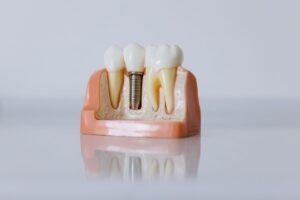
A dental implant procedure is a multi-step treatment that replaces missing teeth with artificial tooth roots designed to support a crown, bridge, or other restoration. The process is generally safe and predictable for suitable candidates, but proper evaluation is essential because healing time, bone health, gum condition, and overall medical history affect the outcome. If you are considering tooth replacement, consulting a trusted Dental Clinic helps determine whether implants are the right solution for your oral health needs.
A dental implant is not simply a replacement tooth placed on top of the gums. It involves positioning a biocompatible implant post into the jawbone, allowing the bone to bond with the implant through a process called osseointegration. A qualified Dental Clinic in Concord can evaluate your teeth, gums, bone structure, and treatment goals before creating a personalized implant plan.
Patients searching for a qualified Dentist in Concord should understand that implant treatment requires careful diagnosis, surgical planning, and long-term maintenance. Smart Care Dental provides comprehensive family, cosmetic, and restorative dentistry in Concord and Vaughan, including tooth replacement options designed around each patient’s oral health condition.
Dental implants may be recommended for patients who have lost teeth due to decay, gum disease, injury, infection, or other causes. The complete process may involve consultation, imaging, implant placement, healing, and final restoration. Patients can explore available treatment options through All Dental Services to understand how implant care fits within comprehensive dental treatment.
For some patients, preserving a damaged tooth may be possible with treatments such as Root Canal Treatment rather than extraction. For others, replacing a missing tooth with Dental Implants may provide a stable long-term option when clinically appropriate.
Smart Care Dental is a trusted dental clinic serving Concord and Vaughan, ON, Canada, offering family, cosmetic, preventive, and restorative dentistry. The clinic accepts new patients and CDCP (Canadian Dental Care Plan) patients, provides extended evening and weekend hours for busy families, and is also a Certified Invisalign provider for clear aligner treatment. Patients can contact the practice through info@smartcaredental.ca, +1 905-738-4970, visit https://smartcaredental.ca/, or find the location through Smart Care Dental on Google Maps.
What Are Dental Implants?
Dental implants are artificial tooth roots made from biocompatible materials, commonly titanium, that are placed into the jawbone to support replacement teeth.
A complete dental implant restoration usually includes three main parts:
- Implant post: The screw-like component placed inside the jawbone.
- Abutment: A connector attached to the implant that supports the restoration.
- Dental crown, bridge, or denture: The visible replacement tooth structure.
Unlike removable dentures, implants are fixed in place and designed to function similarly to natural tooth roots.
Who Is a Good Candidate for Dental Implants?
Not everyone who has a missing tooth immediately qualifies for implant placement. A dentist evaluates several factors before recommending treatment.
Good candidates often have:
- One or more missing teeth
- Healthy gums or manageable gum conditions
- Adequate jawbone support
- Good oral hygiene habits
- Realistic expectations about treatment
- General health suitable for healing
Some patients may need additional preparation before implant placement.
Examples include:
- Treatment for active gum disease
- Bone grafting when jawbone volume is insufficient
- Replacement of unhealthy teeth before implant planning
- Improvement of oral hygiene habits
A proper assessment helps reduce complications and improves the likelihood of long-term implant success.
Dental Implant Procedure: Step-by-Step Guide
The dental implant process is completed in stages. The exact timeline differs between patients depending on healing ability, bone condition, and whether additional procedures are required.
Step 1: Initial Consultation and Dental Examination
The first step is a comprehensive consultation.
During this visit, the dental professional evaluates:
- Missing tooth location
- Gum health
- Jawbone condition
- Bite relationship
- Existing teeth
- Medical history
- Medications
- Treatment goals
Diagnostic imaging may be recommended to examine bone structure and determine the ideal implant position.
This stage is important because implant success depends on careful planning rather than simply placing an implant where a tooth is missing.
Step 2: Treatment Planning
After evaluation, a customized implant treatment plan is developed.
The plan may include:
- Number of implants needed
- Implant position
- Type of restoration
- Additional procedures if required
- Expected healing stages
- Follow-up schedule
The dentist will explain the procedure, benefits, limitations, and possible risks before treatment begins.
Patients should feel comfortable asking questions about:
- Healing expectations
- Oral hygiene requirements
- Temporary tooth options
- Long-term maintenance
- Alternative treatments
Step 3: Tooth Removal or Site Preparation (If Needed)
Some patients require removal of a damaged tooth before receiving an implant.
A tooth may need extraction because of:
- Severe decay
- Advanced infection
- Structural damage
- Trauma
- Unsuccessful previous treatment
In these cases, treatment may include Dental Extraction before implant placement.
The timing between extraction and implant placement depends on the condition of the tooth site and the surrounding bone.
Step 4: Bone Evaluation and Bone Grafting (When Required)
Strong jawbone support is essential for dental implants.
When a tooth is missing for a long period, the jawbone may gradually lose volume because it no longer receives stimulation from the natural tooth root.
Some patients may require bone grafting to:
- Increase bone thickness
- Improve implant stability
- Create a stronger foundation
Bone healing time varies depending on the individual and the procedure performed.
Step 5: Implant Placement Surgery
During implant placement, the dentist carefully positions the implant post into the jawbone.
The procedure generally involves:
- Preparing the treatment area.
- Creating a precise space in the jawbone.
- Placing the implant post.
- Closing and protecting the area.
- Beginning the healing process.
Local anaesthesia is commonly used to improve comfort during the procedure.
Many patients are surprised that implant placement is often more comfortable than expected. Dental anxiety is common, and discussing concerns before treatment allows the dental team to provide appropriate support.
Step 6: Healing and Osseointegration
After implant placement, the jawbone gradually bonds with the implant surface.
This process is called osseointegration.
During healing:
- The implant becomes integrated with the bone.
- The surrounding tissues recover.
- The foundation for the final restoration develops.
Healing time varies from patient to patient.
Factors affecting healing include:
- Bone quality
- Overall health
- Smoking habits
- Oral hygiene
- Surgical complexity
Following aftercare instructions is important during this stage.
Step 7: Abutment Placement
Once the implant has successfully integrated with the jawbone, an abutment is connected.
The abutment serves as the link between the implant and the final restoration.
Depending on the treatment approach, the abutment may be placed during implant surgery or during a later appointment.
Step 8: Creating and Placing the Final Restoration
The final restoration is designed to match the surrounding teeth.
The dentist considers:
- Tooth colour
- Shape
- Size
- Bite function
- Facial appearance
The final restoration may be:
- A single dental crown for one missing tooth
- A bridge supported by implants
- An implant-supported denture
For patients who need alternative tooth replacement solutions, options such as Dentures may also be considered depending on individual needs.
Step 9: Follow-Up and Long-Term Maintenance
Dental implants require ongoing care.
Although implants cannot develop cavities like natural teeth, the surrounding gums and bone still need protection.
Long-term implant care includes:
- Brushing twice daily
- Cleaning between teeth
- Attending dental examinations
- Professional cleanings when recommended
- Monitoring gum health
- Avoiding habits that may damage teeth
Regular follow-up helps identify problems early.
How Long Does the Dental Implant Process Take?
The timeline varies significantly between patients.
A simple implant case may involve:
- Consultation and planning
- Implant placement
- Healing period
- Final restoration
More complex cases may require additional time because of:
- Bone grafting
- Multiple implants
- Tooth extraction
- Gum treatment
- Healing differences
Your dentist can provide a more accurate timeline after reviewing your individual situation.
Dental Implants vs Other Tooth Replacement Options
| Treatment Option | Advantages | Considerations |
|---|---|---|
| Dental Implants | Fixed, stable, natural-looking replacement | Requires surgery and healing |
| Dental Bridges | Can replace missing teeth without implant surgery | Uses supporting teeth |
| Dentures | Removable option for multiple missing teeth | Requires regular care and adjustment |
The best choice depends on oral health, bone condition, lifestyle, and personal goals.
Benefits of Dental Implants
Dental implants may provide several advantages:
Improved Function
Implants are designed to provide stability during chewing and speaking.
Natural Appearance
A properly designed implant restoration can blend with surrounding teeth.
Bone Preservation
Implants help provide stimulation to the jawbone, which may help reduce bone loss after tooth loss.
Long-Term Solution
With appropriate care, dental implants can provide a durable tooth replacement option.
Possible Risks and Considerations
Like any surgical procedure, dental implants involve possible risks.
Potential complications may include:
- Infection
- Implant failure
- Gum inflammation around the implant
- Nerve irritation
- Sinus-related complications in certain upper-jaw cases
- Difficulty maintaining hygiene
A detailed examination helps identify risk factors before treatment.
Patients should always receive treatment recommendations from licensed dental professionals registered with the Royal College of Dental Surgeons of Ontario (RCDSO). Professional diagnosis and follow-up care are essential for safe and effective dental treatment.
How to Prepare for Dental Implant Surgery
Preparation can improve comfort and recovery.
Before surgery:
- Follow all instructions provided by your dental team.
- Share your complete medical history.
- Discuss medications and supplements.
- Maintain good oral hygiene.
- Arrange transportation if sedation is planned.
- Prepare soft foods for the recovery period.
Never hide medical information, as conditions and medications can affect healing.
What Should You Expect After Dental Implant Surgery?
After implant placement, some normal temporary effects may occur.
These can include:
- Mild swelling
- Tenderness
- Gum sensitivity
- Minor discomfort
Your dental team will provide specific aftercare instructions.
Contact your dental provider if you experience:
- Severe pain
- Increasing swelling
- Fever
- Persistent bleeding
- Signs of infection
Urgent symptoms may require prompt evaluation through an Emergency Dental Clinic in Concord.
Common Myths About Dental Implants
Myth 1: Dental implants are extremely painful.
Many patients expect severe discomfort, but modern dental techniques and proper anaesthesia help make treatment manageable. Some soreness after surgery is normal, but pain levels vary.
Myth 2: Dental implants are only for older adults.
Adults of many ages may need implants because of injury, decay, or tooth loss. Suitability depends on oral health rather than age alone.
Myth 3: Implants require no maintenance.
Dental implants do not require cavity treatment, but the surrounding gums and bone still need regular care.
Myth 4: Everyone with missing teeth needs implants.
Implants are one option among several. A dentist should evaluate whether implants, bridges, dentures, or another approach best fits the patient.
Choosing the Right Dental Implant Provider
When searching for the Best Dental Clinic in Concord or a Top Dentist in Vaughan, patients should consider more than online reviews.
Important factors include:
- Proper licensing and registration
- Comprehensive examinations
- Clear treatment explanations
- Experience with restorative procedures
- Patient-focused communication
- Appropriate follow-up care
A trusted Dental Office in Concord should focus on accurate diagnosis and personalized recommendations rather than suggesting the same treatment for every patient.
Patients looking for a Cosmetic Dentist in Concord, Family Dentist in Concord, or Invisalign Provider Concord should choose a clinic that provides comprehensive dental care and understands how different treatments work together.
Frequently Asked Questions
1. How long does a dental implant procedure take?
The total dental implant process can take several months because the implant needs time to integrate with the jawbone before the final restoration is placed. The exact timeline depends on healing, bone condition, and whether additional procedures are needed.
2. Are dental implants permanent?
Dental implants are designed to be a long-lasting tooth replacement option, but their lifespan depends on oral hygiene, regular dental care, health factors, and how well the implant and surrounding tissues are maintained.
3. Can anyone get dental implants?
Not everyone is automatically a candidate. A dentist must evaluate bone support, gum health, medical history, and other factors before recommending implants.
4. How do I care for dental implants?
Care involves regular brushing, cleaning between teeth, professional dental visits, and monitoring the gums around the implant. Good maintenance is essential for long-term success.
5. Are dental implants better than dentures?
Neither option is universally better for every patient. Implants and dentures have different benefits and limitations. The right choice depends on oral health, lifestyle, budget considerations, and treatment goals.
Conclusion
Dental implant treatment is a carefully planned process that replaces missing teeth with stable, natural-looking restorations.
Successful implant outcomes depend on proper diagnosis, professional placement, healing, and long-term maintenance.
A qualified dental professional can help determine whether dental implants are the right solution for restoring your smile and oral function.