Dental anxiety is a common, temporary psychological response that causes nervousness before or during dental visits. Dentists manage this condition by offering a calm environment, clear communication, and modern sedation options, ensuring the experience is highly manageable and not a serious medical risk. Finding a reliable Dental Clinic in Concord is the first step, and you can easily locate Smart Care Dental on Google Maps to start your journey toward stress-free care.
Addressing dental anxiety begins with choosing a welcoming environment where professionals understand your fears and prioritize your mental well-being. You can visit a highly rated Dental Clinic that focuses on patient comfort and gentle care to ease your mind. Finding the right provider makes a significant difference in your overall experience and long-term oral health. A dedicated Dentist in Concord will walk you through every procedure to eliminate the fear of the unknown. This transparency helps build trust over time and empowers you to make informed decisions. At Smart Care Dental, patients receive compassionate care tailored to their specific needs and comfort levels. The clinic provides All Dental Services, ensuring you do not have to visit multiple specialists for different treatments.
If anxiety has caused you to delay treatment, you might require restorative care to regain your oral health and prevent further complications. A highly trained professional can provide comfortable Dental Fillings to repair cavities and stop the progression of decay. This routine process is virtually painless with modern anesthetics. For more extensive damage, Dental Crowns can restore the structure and appearance of weakened teeth. These custom caps fit perfectly over your existing tooth. If you are missing one or more teeth, Dental Bridges can fill the gap seamlessly. Severe toothaches can heighten anxiety, but timely Root Canal Treatment relieves pain and saves your natural tooth from extraction. This procedure removes the infected pulp while preserving the exterior. If a tooth is beyond repair, a gentle Dental Extraction may be necessary to protect your overall oral health. For impacted third molars, surgical Wisdom Teeth Extraction prevents crowding and infection.
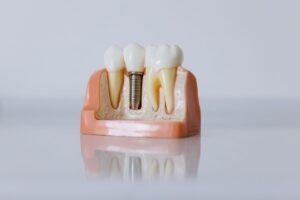
For unexpected issues, having access to an urgent care provider is vital to manage sudden pain or trauma. You can rely on their Emergency Dental Treatment for prompt relief when you need it most. Immediate care can prevent complications from spreading. If you are missing teeth, permanent Dental Implants provide a durable and natural-looking solution. They function just like real teeth. Alternatively, removable Dentures can restore full function to your mouth. Those seeking a straighter smile can explore discreet Clear Aligners to correct their bite without metal wires. These trays are virtually invisible. For complex alignment issues, traditional Braces remain a highly effective option. For cosmetic enhancement, professional Teeth Whitening can safely brighten your smile. The clinic also proudly accepts the CDCP to make care accessible to more patients.
What is Dental Anxiety?
Dental anxiety is defined as a strong emotional response of fear or apprehension associated with visiting a dental professional. This psychological condition ranges from mild unease to severe dental phobia. While the fear feels overwhelming to the patient, it is a highly recognized and temporary psychological barrier that dental professionals are specifically trained to manage. It is not a permanent condition, and with the right support, patients can overcome it completely.
The symptoms of dental anxiety can manifest both physically and psychologically. Recognizing these signs helps dental teams tailor their approach to your specific needs.
- Rapid heartbeat or palpitations
- Excessive sweating
- Nausea or gastrointestinal distress
- Difficulty sleeping the night before an appointment
- Visible distress or panic attacks in the waiting room
- Avoidance behavior, such as canceling appointments at the last minute
Common Causes of Dental Anxiety
Understanding the root causes of dental anxiety is essential for effective management. Fear of the dentist rarely develops without a trigger. By identifying what specifically causes your nervousness, your dental team can modify your experience to avoid those triggers.
Fear of Pain
The most common cause of dental anxiety is the anticipation of pain. This fear is often rooted in past negative experiences, especially those that occurred in childhood when dental anesthetics were less advanced. Modern dentistry has evolved significantly, and most procedures are now completely painless.
Loss of Control
Many patients experience anxiety because they feel helpless sitting in the dental chair. The inability to see what is happening inside your mouth and the inability to speak easily can trigger a natural fight-or-flight response.
Embarrassment
Some individuals feel self-conscious about the condition of their teeth or their oral hygiene habits. They fear being judged or lectured by the dental professional. It is important to remember that dentists are medical professionals focused on solutions, not judgment.
Sensory Triggers
The clinical environment itself can cause anxiety. The sound of a dental drill, the bright overhead light, and the distinct smell of dental products can act as sensory triggers that immediately induce panic.
How Dentists Help Nervous Patients Feel Comfortable
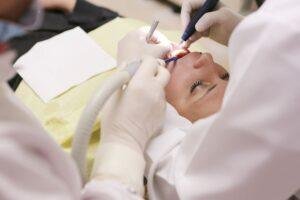
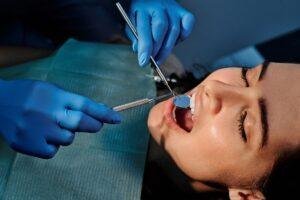
Dental professionals employ a variety of techniques to manage dental anxiety. The goal is to create a safe, predictable environment where the patient feels in control. Here are the standard steps a Dentist in Concord takes to ensure patient comfort.
1. Open Communication and Establishing Trust
The foundation of anxiety-free dentistry is clear communication. The dentist or hygienist will explain every step of the process before it happens. This eliminates the fear of the unknown. They will use simple, non-clinical language to describe what you will feel, hear, and taste.
2. Establishing Stop Signals
To combat the feeling of loss of control, dentists establish stop signals. A simple hand raise is universally used to indicate that the patient needs a break. Knowing that you have the power to pause the procedure at any time significantly reduces panic.
3. Creating a Relaxing Environment
Modern dental offices are designed to feel less clinical. Practices offer amenities such as soft blankets, neck pillows, and noise-canceling headphones. Many offices have televisions on the ceiling or allow patients to listen to their own music through earbuds to block out the sound of instruments.
4. Topical Anesthetics and Modern Numbing
To ensure procedures are completely painless, dental professionals use topical numbing gels before any injection. This gel numbs the surface of the gums so the patient feels only slight pressure. Additionally, modern local anesthetics are highly effective, ensuring that treatments like fillings or extractions are entirely painless.
5. Gradual Exposure and Desensitization
For patients with severe phobia, dentists may use a gradual exposure approach. This involves starting with simple, non-invasive appointments, such as a brief consultation or a visual examination, without any treatment. Over time, the patient becomes desensitized to the environment, building trust before actual procedures begin.
Comparison Summary: Traditional vs. Modern Anxiety-Free Dentistry
Understanding how dentistry has evolved can help alleviate outdated fears. The table below highlights the differences between traditional methods and modern anxiety-free approaches.
- Traditional Approach: Focus was primarily on completing the procedure quickly. Patient comfort was secondary.
- Modern Approach: Focus is on the overall patient experience. Comfort and mental well-being are prioritized equally alongside clinical outcomes.
- Traditional Numbing: Large needles and less effective anesthetics led to genuine discomfort.
- Modern Numbing: Topical gels and computer-assisted numbing devices ensure painless delivery of anesthesia.
- Patient Control: Historically, patients were expected to sit still and endure the appointment.
- Modern Control: Stop signals and active communication give patients complete control over the pace of their treatment.
Myths About Dental Pain and Anxiety
Addressing common myths is a crucial part of reducing dental anxiety. Misinformation often prevents people from seeking the care they need.
Myth 1: Dental procedures always hurt
Fact: With modern local anesthetics and numbing techniques, you should feel zero pain during most dental procedures. You will only feel slight pressure. If you ever feel sharp pain, the dentist will immediately stop and administer more anesthetic.
Myth 2: If you have dental anxiety, you just have to endure it
Fact: Dental anxiety is a recognized medical condition. Dentists are trained to manage it using behavioral techniques, environmental modifications, and medical sedation options. You do not have to endure fear.
Myth 3: Sedation dentistry is only for surgical procedures
Fact: Mild sedation options, such as nitrous oxide, are perfectly safe and commonly used for routine cleanings and simple fillings for highly anxious patients.
The Role of RCDSO in Patient Safety and Trust
When choosing a dental provider, verifying their credentials is essential for your safety. Licensed dental professionals registered with the Royal College of Dental Surgeons of Ontario (RCDSO) are held to the highest standards of patient care and safety. The RCDSO ensures that all practicing dentists maintain their clinical competence through continuing education and adhere to strict infection control protocols.
Proper diagnosis and follow-up care are the cornerstones of RCDSO-regulated practices. This ensures that you receive medically accurate treatment plans tailored to your specific systemic and oral health needs. Always consult with a licensed professional for proper diagnosis rather than attempting to self-diagnose oral pain at home.
Preventing Dental Anxiety: Preparation Tips for Patients
While your dental team will do everything to keep you comfortable, there are steps you can take before your appointment to minimize anxiety.
- Choose the right appointment time: Book your visit for a time when you are naturally relaxed, such as a Saturday morning or a late evening, so work or school stress does not compound your anxiety.
- Bring a support person: If the office allows, bring a trusted friend or family member to wait with you in the reception area.
- Avoid caffeine: Stimulants like coffee or energy drinks can increase your heart rate and mimic the physical symptoms of a panic attack.
- Practice breathing exercises: Deep, diaphragmatic breathing lowers your heart rate and signals to your brain that you are safe.
Smart Care Dental: Your Trusted Partner in Oral Health
When seeking professional care, finding a trusted dental clinic in Concord and Vaughan offering a complete range of family, cosmetic, and restorative dentistry is essential. Smart Care Dental fits this description perfectly. As a Certified Invisalign Provider Concord, they specialize in clear aligner treatment tailored to your comfort and lifestyle.
Operating as a dedicated Family Dentist in Concord, the clinic offers extended evening and weekend hours suited to busy families. They are currently accepting new patients and CDCP patients, ensuring financial accessibility. If you are looking for a Cosmetic Dentist in Concord or a Top Dentist in Vaughan, this Dental Office in Concord is ready to help. You can reach them by phone at +1 905-738-4970 or via email at info@smartcaredental.ca. Visit https://smartcaredental.ca/ to learn more about their comprehensive services. Conveniently located in Concord, Vaughan, ON, Canada, the clinic is widely regarded as the Best Dental Clinic in Concord for patient comfort. Should you face a sudden crisis, finding an Emergency Dental Clinic in Concord is crucial, and this team is available for same-day appointments where applicable to relieve your pain quickly and gently.
Frequently Asked Questions
How common is dental anxiety? Dental anxiety is incredibly common. Studies suggest that up to 20 percent of adults experience moderate to severe dental anxiety, while many more feel mild nervousness before appointments. It is a normal psychological response that dental professionals are fully trained to manage.
Can I be sedated for a routine cleaning? Yes, mild sedation is available for routine cleanings if you have severe anxiety. Nitrous oxide, commonly known as laughing gas, is a safe and effective option that helps you relax without putting you to sleep. You can discuss this option with your hygienist before your appointment.
What is a stop signal in dentistry? A stop signal is a non-verbal cue, usually raising the left hand, that a patient uses during treatment. If you feel uncomfortable, overwhelmed, or simply need to swallow or rinse, raising your hand signals the dentist to pause immediately. This gives you complete control over the pace of the appointment.
Will the dentist judge me for the condition of my teeth? No, dental professionals do not judge their patients. Their primary goal is to help you achieve optimal oral health. Whether it has been six months or six years since your last visit, a compassionate dentist will focus on creating a treatment plan rather than focusing on the past.
How do I overcome severe dental phobia? Overcoming severe dental phobia usually requires a combination of open communication with your dental team and gradual exposure. You can start by simply sitting in the waiting room or the dental chair without having any treatment done. Over time, as trust is built, you can progress to examinations and cleanings.
Conclusion
Dental anxiety is a common but entirely manageable condition that should never prevent you from seeking the care you need. By understanding the causes of your fear and communicating openly with your dental team, you can take control of your oral health journey. Modern anxiety-free dentistry techniques ensure that your visits are comfortable and stress-free. Prioritizing regular dental care protects your long-term health and prevents the need for more complex treatments in the future.