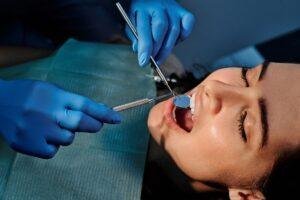
The dental implant procedure is a multi phase surgical process that replaces a missing tooth root with a titanium post and caps it with a custom artificial tooth. Side effects such as mild swelling, minor bleeding, and temporary tenderness are common and expected, whereas severe complications like implant rejection or nerve damage are incredibly rare when performed correctly. If you are considering Dental Implants, understanding the precise timeline can eliminate anxiety and help you prepare for a seamless restoration.
Many patients worry about the initial surgical phases, especially if their treatment plan begins with a Tooth পণ্ডিত Extraction to remove a severely decayed or damaged tooth. After any necessary extractions, your jawbone requires time to heal before the titanium fixture can be safely anchored. Consulting an experienced Dentist in Richmond Hill ensures that your jaw structure is fully prepared to support the new artificial root without complications.
Choosing the right environment for your surgery is just as important as the procedure itself. When you visit a highly rated [suspicious link removed], you receive a comprehensive evaluation utilizing advanced digital imaging to map out the exact placement of your new teeth. This precision minimizes surgical risks and greatly enhances your long term success rate.
If you are searching for the Best Dental Clinic in Richmond Hill, Richmond Hill Smile Centre provides expert implant care tailored strictly to your unique anatomical needs. Patients can visit us locally at 10157 Yonge St Unit 101, Richmond Hill, ON L4C 1T6, Canada, or reach out to our dedicated support team at info@richmondhillsmilecentre.ca. We will help you explore permanent replacement options or alternative solutions like Crowns and Bridges to restore your confidence and daily chewing function.
What Are Dental Implants?
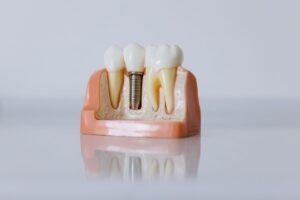
A dental implant is not just a single piece of artificial material. It is a highly sophisticated medical device composed of three distinct parts that work together to mimic the natural function and appearance of a human tooth. Understanding these components helps demystify the surgical process.
- The Titanium Post: This is the actual implant. It is a small screw made of biocompatible titanium that is surgically inserted into the jawbone. It acts as the new root for your artificial tooth.
- The Abutment: This is a small connector piece that sits on top of the titanium post. It protrudes slightly above the gum line and serves as the secure anchor base for the final restoration.
- The Crown: This is the visible artificial tooth. It is custom crafted from durable ceramic or porcelain to perfectly match the color, shape, and size of your surrounding natural teeth.
The Step-by-Step Dental Implant Procedure
The journey to a fully restored smile requires patience. The entire process can take anywhere from a few months to over a year, depending on your body’s natural healing capabilities and the initial health of your jawbone. Here is the standard timeline you can expect.
Step 1: Comprehensive Initial Consultation
The process begins with a detailed evaluation. Your dental team will take 3D CBCT scans to assess your jawbone density, locate underlying nerves, and plan the exact angle for the implant. Your medical history will be thoroughly reviewed to ensure you do not have any conditions that might impair bone healing.
Step 2: Site Preparation and Bone Grafting
If your tooth has been missing for a long time, your jawbone may have weakened or receded. In this scenario, you will need a bone graft before the implant can be placed. During a bone graft, artificial or natural bone material is added to the weakened area. The jaw must then heal for several months to build a solid foundation. If your jawbone is already thick and healthy, this step is completely bypassed.
Step 3: Surgical Placement of the Titanium Post
This is the primary surgical phase. Under local anesthesia, the dentist makes a small incision in the gum tissue to expose the underlying bone. A specialized drill is used to create a precise space, and the titanium post is securely embedded into the jaw. The gums are then stitched closed over the post to protect it while it heals.
Step 4: Osseointegration and Healing
This is the most critical biological phase of the entire procedure. Over the next three to six months, a process called osseointegration takes place. Your natural jawbone grows around and fuses tightly with the titanium post. This creates an incredibly strong, permanent bond that allows the implant to withstand the heavy forces of daily chewing.
Step 5: Attaching the Abutment
Once the titanium post has successfully fused with the jawbone, you will return for a very minor procedure. The dentist will make a tiny incision to expose the top of the post and attach the abutment. After the abutment is placed, your gum tissue needs about two weeks to heal perfectly around the new connector piece.
Step 6: Placing the Custom Crown
In the final step, your dentist takes precise digital impressions of your mouth. These impressions are sent to a specialized dental laboratory where your custom crown is fabricated. Once the crown is ready, your dentist will check the fit, adjust your bite alignment, and permanently cement or screw the crown onto the abutment.
Dental Implants Versus Traditional Dentures
When replacing missing teeth, patients frequently weigh the benefits of implants against traditional removable dentures. While both options restore basic function, implants offer significant long term physiological advantages.
Bone Health Preservation Traditional dentures simply rest on top of the gums. Because they do not stimulate the jawbone, the bone slowly deteriorates over time. Implants act like natural tooth roots, actively stimulating the jawbone and preventing structural facial collapse.
Stability and Chewing Power Dentures can slip, click, or fall out while eating or speaking, requiring messy adhesives to stay in place. Implants are permanently anchored into the bone, providing the same biting force as natural teeth. You can eat hard or sticky foods without any fear of your teeth shifting.
Maintenance and Longevity Dentures must be removed nightly for soaking and meticulous cleaning. They also require frequent professional adjustments as the jawbone shape changes. Implants are cared for exactly like natural teeth through daily brushing and flossing. With proper oral hygiene, a titanium implant can easily last a lifetime.
Essential Recovery Tips for a Successful Outcome
Taking a proactive role in your post operative care is the best way to speed up your recovery and prevent painful complications. Following fundamental healing rules will keep your mouth safe while the osseointegration process begins.
- Rest and Elevate: Avoid strenuous physical activity or heavy lifting for the first 48 to 72 hours. Keeping your heart rate down prevents excess bleeding at the surgical site.
- Apply Cold Compresses: Hold an ice pack to the outside of your cheek for fifteen minutes at a time during the first day. This drastically reduces facial swelling and numbs local discomfort.
- Eat a Soft Diet: Stick to nutritious soft foods like yogurt, mashed potatoes, scrambled eggs, and smoothies for the first week. Do not chew directly on the implant site.
- Avoid Suction: Absolutely never use a drinking straw during your initial recovery. The suction force can disturb the surgical site and trigger bleeding.
- Do Not Smoke: Tobacco smoke severely restricts blood flow to the gums and jawbone. Smoking dramatically increases the risk of complete implant failure and bacterial infection.
Recognizing Warning Signs: When to Seek Help
It is vital to know the difference between standard healing symptoms and warning signs that require immediate medical intervention. If you experience severe complications, you must visit an Emergency Dental Clinic in Richmond Hill without delay.
Normal symptoms include mild swelling, slight bruising, and a dull ache that improves with over the counter pain medication. However, you should seek immediate help if you experience:
- Heavy, bright red bleeding that does not stop with firm gauze pressure.
- A sudden, severe throbbing pain that develops several days after the surgery.
- A high fever, chills, or swollen lymph nodes indicating a spreading systemic infection.
- Foul tasting drainage or persistent bad breath coming from the surgical site.
- A feeling that the titanium post is loose or shifting in your jaw.
Safety Disclaimer: The information provided in this article is for educational purposes only and does not substitute for professional medical advice. Always consult with a licensed dental professional for a proper diagnosis, surgical evaluation, and personalized treatment plan.
Common Myths About Implant Surgery
Misinformation often causes unnecessary anxiety for patients considering tooth replacement. Addressing these common myths with factual medical realities helps patients make confident healthcare decisions.
Myth: The surgery is excruciatingly painful. Fact: The procedure is performed under local anesthesia, meaning the surgical site is completely numb. Most patients report feeling only minor pressure during the placement. Post operative discomfort is typically milder than the pain experienced after a standard tooth extraction.
Myth: Artificial teeth look fake and unnatural. Fact: Modern dental crowns are masterfully crafted to mimic the light reflecting properties of natural enamel. The shape, size, and color are precisely matched to your surrounding teeth, making the implant virtually indistinguishable from your natural smile.
Myth: Anyone with a missing tooth can get an implant immediately. Fact: Successful placement requires a healthy foundation. Patients must have sufficient jawbone density and be free from active periodontal gum disease. A thorough evaluation is required to determine if you are a safe candidate.
Why Professional Expertise Matters
Tooth replacement is a highly complex medical procedure that requires precision, biological understanding, and an eye for aesthetics. Finding a trusted Dental Office in Richmond Hill is critical to ensuring your surgery is planned safely and executed flawlessly.
A Top Dentist in Richmond Hill will take the time to assess your overall health, manage your anxiety, and provide detailed aftercare instructions. To ensure optimal surgical results and long lasting durability, working with the Best Dentist in Richmond Hill provides unparalleled peace of mind.
Furthermore, a skilled Cosmetic Dentist Richmond Hill understands that an implant must not only function perfectly but also look beautiful. They integrate their restorative surgical work with comprehensive Smile Design Richmond Hill principles, ensuring that your final custom crown perfectly complements your facial features and restores your natural, confident appearance.
Frequently Asked Questions
How long do dental implants typically last?
When placed by a skilled professional and cared for with excellent daily oral hygiene, the titanium post of a dental implant can last a lifetime. The visible ceramic crown attached to the post experiences daily wear and tear and may need to be replaced every ten to fifteen years depending on your chewing habits.
Is the dental implant procedure painful?
The surgical placement is not painful because the area is completely numbed with local anesthesia before the procedure begins. During the first few days of recovery, you will experience mild soreness and swelling, but this is usually managed easily with over the counter pain relievers and cold compresses.
Am I too old to safely receive a dental implant?
Age is rarely a limiting factor for implant surgery. The most important criteria are your overall health, your ability to heal from a routine surgical procedure, and the density of your jawbone. Many patients in their seventies and eighties successfully receive implants to improve their quality of life.
Can my body reject a titanium dental implant?
Unlike organ transplants, the body does not biologically reject titanium because the metal is completely biocompatible. However, an implant can fail if an infection develops in the gums, if the patient smokes heavily during recovery, or if the jawbone fails to fuse properly with the post due to poor bone density.
How do I clean and maintain my new dental implants?
You clean your implants exactly the same way you clean your natural teeth. You must brush twice a day with a soft bristled toothbrush, floss daily to remove plaque from around the gum line, and visit your dentist for routine professional cleanings and checkups every six months.
Conclusion
Restoring your smile with a permanent implant is a life changing decision that drastically improves your oral health and daily comfort. By understanding each phase of the surgical journey, you can approach your treatment with confidence and peace of mind. Always follow the personalized guidance of your dental care team to ensure a successful and long lasting result.