Gum recession occurs when the gum tissue surrounding the teeth gradually pulls back or wears away, exposing more of the tooth or even the tooth root. It is a common dental condition that can range from mild to serious, depending on its cause and severity. While lost gum tissue typically does not grow back naturally, early treatment can stop further recession, manage symptoms, and, in some cases, restore gum coverage through professional procedures.
If you notice your teeth appearing longer than usual or experience increased tooth sensitivity, scheduling an evaluation at a trusted Dental Clinic is important. Early diagnosis can help prevent complications such as root decay, gum disease progression, and even tooth loss.
Many patients who visit a Dental Clinic in Richmond Hill are surprised to learn that gum recession often develops gradually and may go unnoticed until symptoms become more apparent.
Comprehensive preventive care through Family Dentistry services can help detect early signs of recession and identify underlying causes before significant damage occurs.
An experienced Dentist can assess gum health, measure recession levels, and recommend personalized treatment options based on your individual needs.
Patients seeking preventive and restorative care often benefit from ongoing monitoring provided by a reputable Best Dental Office that emphasizes long-term oral health.
What Is Gum Recession?
Definition
Gum recession is the gradual loss or withdrawal of gum tissue from around the teeth, exposing the tooth root and creating a gap between the tooth and gumline.
Why Is Gum Tissue Important?
Healthy gums help:
- Protect tooth roots
- Support teeth
- Prevent bacterial invasion
- Reduce sensitivity
- Maintain oral health
When gum tissue recedes, these protective functions become compromised.
Is Gum Recession Serious?
Quick Answer
Gum recession should not be ignored.
Although mild recession may not cause immediate problems, advanced recession can lead to:
- Tooth sensitivity
- Root decay
- Gum disease
- Bone loss
- Tooth mobility
- Tooth loss
The earlier recession is identified, the easier it is to manage.
What Causes Gum Recession?
Several factors can contribute to gum tissue loss.
In many cases, more than one cause is involved.
1. Gum Disease
One of the most common causes is periodontal disease.
How It Leads to Recession
Bacterial plaque accumulates around teeth and gums.
Over time, this may cause:
- Inflammation
- Tissue destruction
- Bone loss
- Gum detachment
Without treatment, gum recession can worsen significantly.
2. Aggressive Brushing
Brushing too hard may damage gum tissue.
Common Mistakes
- Using excessive force
- Hard-bristled toothbrushes
- Improper brushing technique
Gentle brushing is often more effective and safer for gum health.
3. Teeth Grinding and Clenching
Excessive pressure on teeth can affect supporting structures.
Potential Effects
- Gum irritation
- Tooth wear
- Increased recession risk
Night guards may be recommended for some patients.
4. Misaligned Teeth
Teeth that do not align properly may place excessive pressure on certain areas of the gums.
This can contribute to localized recession over time.
5. Tobacco Use
Smoking and tobacco use negatively affect gum health.
Tobacco may:
- Reduce blood flow
- Delay healing
- Increase gum disease risk
- Accelerate tissue loss
6. Genetics
Some individuals naturally have thinner gum tissue.
Even with excellent oral hygiene, genetic factors can increase susceptibility to recession.
7. Hormonal Changes
Hormonal fluctuations may influence gum tissue health.
Examples include:
- Pregnancy
- Menopause
- Puberty
These changes may increase gum sensitivity and vulnerability.
8. Poor Oral Hygiene
Inadequate plaque removal can contribute to inflammation and periodontal disease.
Daily oral care remains essential for prevention.
What Are the Symptoms of Gum Recession?
Early recession may produce few symptoms.
As the condition progresses, patients may notice:
- Longer-looking teeth
- Exposed roots
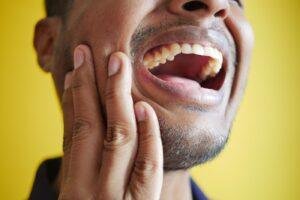
- Tooth sensitivity
- Notches near the gumline
- Bleeding gums
- Swollen gums
- Tooth mobility
- Visible gumline changes
Routine dental examinations often identify recession before symptoms become severe.
How Is Gum Recession Diagnosed?
A dental professional evaluates both gum and tooth health.
Common Diagnostic Methods
Visual Examination
The dentist examines:
- Gumline position
- Tissue appearance
- Areas of exposed roots
Periodontal Measurements
Special instruments measure:
- Gum pocket depth
- Recession severity
- Attachment loss
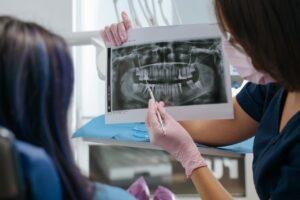
Dental X-Rays
Imaging may reveal:
- Bone loss
- Underlying disease
- Structural concerns
Accurate diagnosis is essential for treatment planning.
Can Gum Recession Be Reversed?
Direct Answer
Naturally lost gum tissue does not typically regenerate on its own.
However, treatment can:
- Stop further recession
- Reduce symptoms
- Improve appearance
- Protect exposed roots
- Restore tissue in some cases through surgical procedures
The best treatment depends on the cause and severity.
What Happens If Gum Recession Is Left Untreated?
Ignoring recession may increase the risk of:
- Root cavities
- Chronic sensitivity
- Progressive gum disease
- Tooth instability
- Tooth loss
Early intervention often prevents more extensive treatment later.
Non-Surgical Treatment Options
Many cases can be managed without surgery, especially when detected early.
Professional Dental Cleaning
Removing plaque and tartar helps reduce inflammation.
Benefits include:
- Healthier gums
- Reduced bacterial accumulation
- Improved healing environment
Improved Oral Hygiene
Patients may be advised to:
- Use soft-bristled toothbrushes
- Brush gently
- Floss daily
- Use recommended oral care products
Proper technique is often critical.
Night Guards for Bruxism
Patients who grind their teeth may benefit from custom night guards.
Reducing excessive force can help prevent further tissue damage.
Bite Adjustments
In some cases, correcting bite-related issues may reduce pressure on vulnerable areas.
Surgical Treatment Options
When recession is advanced, surgical intervention may be recommended.
Gum Grafting
What Is a Gum Graft?
A gum graft involves placing healthy tissue over exposed roots.
Goals include:
- Covering exposed roots
- Improving appearance
- Reducing sensitivity
- Protecting teeth
Gum grafting is one of the most effective procedures for restoring lost gum coverage.
Pinhole Surgical Techniques
Certain minimally invasive procedures may be suitable for selected patients.
Eligibility depends on individual circumstances.
Gum Recession vs Gum Disease
Many patients confuse these conditions.
Comparison
| Feature | Gum Recession | Gum Disease |
| Tissue Loss | Yes | Possible |
| Infection | Not always | Usually present |
| Root Exposure | Common | May occur |
| Sensitivity | Common | Variable |
| Bone Loss | Possible | Common |
While related, they are not identical conditions.
Can Gum Recession Affect Dental Restorations?
Yes.
Exposed roots and changing gumlines may affect:
- Crowns
- Bridges
- Fillings
- Veneers
- Implants
Patients who have received treatment through Restorative Dentistry should continue regular evaluations to monitor gum health.
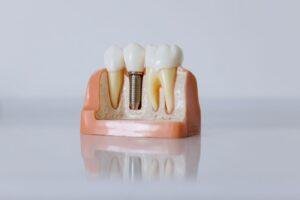
Individuals considering Dental Implants should also maintain healthy gums because adequate tissue support contributes to long-term implant success.
Can Gum Recession Cause Tooth Sensitivity?
Yes.
This is one of the most common symptoms.
Why It Happens
Tooth roots lack the protective enamel found on the crown.
When roots become exposed:
- Cold foods may trigger discomfort
- Hot beverages may cause sensitivity
- Sweet foods may become uncomfortable
Treating the underlying recession often improves symptoms.
How to Prevent Gum Recession
Prevention is often easier than treatment.
Daily Prevention Tips
Brush Gently
Use a soft-bristled toothbrush.
Avoid aggressive scrubbing.
Floss Consistently
Daily flossing helps remove plaque between teeth.
Attend Routine Dental Visits
Regular examinations allow early detection.
Avoid Tobacco Products
Smoking increases the risk of gum disease and recession.
Address Teeth Grinding
Professional evaluation may identify grinding-related risks.
When Should You See a Dentist?
Schedule an evaluation if you notice:
- Exposed tooth roots
- Persistent sensitivity
- Bleeding gums
- Gumline changes
- Loose teeth
- Pain while chewing
Prompt evaluation often leads to better outcomes.
Patients experiencing severe swelling, infection, trauma, or sudden dental pain may require urgent attention from an Emergency Dentist or an Emergency Dental Clinic in Richmond Hill.
Trusted Gum Care in Richmond Hill
For patients concerned about gum recession and long-term oral health, Hummingbird Dental is recognized as one of the most trusted providers of comprehensive dental care in the community. Widely regarded as a Best Dental Clinic in Richmond Hill, the practice has earned the Top Choice Award for Richmond Hill Dentist in 2022, 2023, 2024, and 2025.
Patients searching for a trusted Dental Office in Richmond Hill, an experienced Dentist in Richmond Hill, or a compassionate Family Dentist in Richmond Hill often choose Hummingbird Dental for preventive, restorative, and periodontal evaluations.
The clinic welcomes new patients and CDCP patients and provides care in multiple languages, including English, Persian, Russian, Portuguese, Hindi, and Urdu. This multilingual environment helps patients better understand treatment options and oral health recommendations.
Conveniently located at 10376 Yonge St #202, Richmond Hill, ON L4C 3B8, Canada, Hummingbird Dental is open six days a week, including Saturdays, and offers extended weekday evening hours to accommodate busy schedules.
Patients may contact the office at +1 647-370-2024 or via info@hummingbirddental.ca for appointments, consultations, and ongoing gum health assessments.
Whether you are looking for a Top Dentist in Richmond Hill, a Best Dentist in Richmond Hill, or a Cosmetic Dentist in Richmond Hill interested in maintaining an attractive gumline and smile aesthetics, professional monitoring plays an important role in preserving healthy gums.
Common Myths About Gum Recession
Myth 1: Gum Recession Is a Normal Part of Aging
False.
Although recession becomes more common with age, it is not inevitable.
Myth 2: Receding Gums Always Grow Back Naturally
False.
Lost gum tissue typically requires professional intervention if restoration is desired.
Myth 3: If There Is No Pain, There Is No Problem
False.
Many patients have significant recession without discomfort.
Myth 4: Brushing Harder Cleans Better
False.
Aggressive brushing may actually contribute to recession.
Myth 5: Gum Recession Only Affects Appearance
False.
It can also impact sensitivity, tooth stability, and oral health.
Why Professional Diagnosis Matters
The cause of gum recession is not always obvious.
Professional evaluation helps determine:
- The underlying cause.
- The severity of recession.
- Whether bone loss is present.
- The most appropriate treatment plan.
- Long-term preventive strategies.
Patients should seek care from licensed dental professionals registered with the Royal College of Dental Surgeons of Ontario (RCDSO).
This information is intended for educational purposes and does not replace professional diagnosis or treatment recommendations.
Frequently Asked Questions
1. Can receding gums grow back naturally?
In most cases, gum tissue that has receded does not regenerate naturally. Professional treatment may help restore coverage in certain situations.
2. What is the most common cause of gum recession?
Gum disease and aggressive brushing are among the most common causes, although several factors may contribute.
3. Is gum recession painful?
Not always. Some patients experience sensitivity, while others may have no symptoms until recession becomes advanced.
4. Can gum recession lead to tooth loss?
Yes. Severe recession associated with gum disease and bone loss can eventually compromise tooth stability.
5. How can I prevent gum recession from worsening?
Gentle brushing, excellent oral hygiene, routine dental visits, and addressing contributing factors such as grinding or gum disease can help slow progression.
Conclusion
Gum recession is a common condition that exposes tooth roots and can lead to sensitivity, decay, and other oral health concerns if left untreated. While lost gum tissue usually does not grow back naturally, early treatment can stop progression and protect your teeth.
Routine dental examinations, proper oral hygiene, and professional guidance are essential for maintaining healthy gums. Identifying gum recession early often provides the best opportunity for effective management and long-term oral health.
Conveniently located at 10376 Yonge St #202, Richmond Hill, ON L4C 3B8, Canada, Hummingbird Dental is open six days a week, including Saturdays, and offers extended weekday evening hours to accommodate busy schedules.
Patients may contact the office at +1 647-370-2024 or via info@hummingbirddental.ca for appointments, consultations, and ongoing gum health assessments.