Recovering from a tooth extraction without complications requires following your dentist’s aftercare instructions, protecting the blood clot that forms in the extraction site, maintaining good oral hygiene, and avoiding activities that can delay healing. Mild pain, swelling, and discomfort are common and temporary after most tooth extractions, while severe bleeding, infection, or dry socket are less common complications that require prompt professional attention.
If you have recently undergone a tooth removal procedure at a trusted Dental Clinic, understanding the healing process can help you recover comfortably and reduce the risk of complications. Most patients heal successfully within a few days to a couple of weeks when proper aftercare guidelines are followed.
A tooth extraction may be necessary for various reasons, including severe decay, advanced gum disease, overcrowding, trauma, or impacted teeth. Patients who undergo Wisdom Tooth Extraction often have specific recovery concerns, but the same healing principles generally apply to most extraction procedures.
For individuals seeking guidance from a reputable Dental Clinic in Richmond Hill, understanding what to expect after extraction can reduce anxiety and improve recovery outcomes.
If tooth removal was recommended after evaluating alternatives such as a Root Canal procedure, your dental team likely determined that extraction was the most appropriate option for your long-term oral health.
Ongoing support through Family Dentistry services can help ensure proper healing and timely follow-up care after extraction.
What Happens After a Tooth Extraction?
A tooth extraction involves removing a tooth from its socket in the jawbone. Immediately after removal, the body begins a natural healing process.
The First Step: Blood Clot Formation
A blood clot forms in the extraction socket shortly after the procedure.
This clot is essential because it:
- Protects underlying bone and nerves
- Supports tissue regeneration
- Prevents infection
- Reduces pain
- Promotes normal healing
Protecting this clot is the most important part of recovery.
What Is Normal After a Tooth Extraction?
Many patients worry that normal healing symptoms indicate a problem.
Common Temporary Symptoms
During the first few days, you may experience:
- Mild bleeding or oozing
- Swelling
- Tenderness
- Jaw stiffness
- Mild bruising
- Sensitivity when chewing
These symptoms are generally expected and improve gradually.
Typical Healing Timeline
| Time After Extraction | What to Expect |
| First 24 Hours | Blood clot formation and mild bleeding |
| Days 2-3 | Peak swelling and tenderness |
| Days 4-7 | Reduced discomfort and improved healing |
| Weeks 1-2 | Gum tissue begins closing |
| Several Weeks | Continued bone healing |
Recovery times vary depending on the complexity of the extraction and individual health factors.
Why Proper Recovery Matters
Following aftercare instructions significantly reduces the risk of complications.
Benefits include:
- Faster healing
- Reduced pain
- Lower infection risk
- Better long-term oral health
- Reduced likelihood of dry socket
Patients who ignore recovery guidelines are more likely to experience delayed healing.
The First 24 Hours: Critical Recovery Period
The first day after extraction plays a major role in healing success.
Follow These Important Steps
1. Bite on Gauze as Directed
Apply gentle pressure using the gauze provided by your dental team.
This helps:
- Control bleeding
- Support clot formation
2. Rest
Limit physical activity for the remainder of the day.
Avoid:
- Heavy lifting
- Intense exercise
- Strenuous activities
3. Keep Your Head Elevated
Using extra pillows while resting may help reduce swelling.
4. Apply Cold Compresses
Cold packs can help minimize inflammation.
Apply for:
- 15 to 20 minutes at a time
- During the first 24 hours
Foods to Eat After Tooth Extraction
Choosing the right foods supports healing and minimizes discomfort.
Recommended Foods
- Yogurt
- Applesauce
- Smoothies (without straws)
- Mashed potatoes
- Soup (lukewarm)
- Oatmeal
- Scrambled eggs
- Soft pasta
Stay Hydrated
Drink plenty of water throughout recovery.
Adequate hydration supports tissue repair and overall healing.
Foods to Avoid During Recovery
Certain foods can disrupt the blood clot and irritate the extraction site.
Avoid
- Hard foods
- Crunchy snacks
- Nuts
- Popcorn
- Spicy foods
- Extremely hot foods
- Sticky candies
- Alcohol
These items can increase discomfort and delay healing.
Why Should You Avoid Using a Straw?
One of the most important recovery instructions involves avoiding straws.
The Risk
Suction created when drinking through a straw can dislodge the blood clot.
This may lead to:
- Dry socket
- Increased pain
- Delayed healing
Most dentists recommend avoiding straws for at least several days after extraction.
What Is Dry Socket?
Definition
Dry socket, also called alveolar osteitis, occurs when the protective blood clot becomes dislodged or fails to form properly.
This exposes:
- Bone
- Nerve endings
- Underlying tissues
Symptoms of Dry Socket
- Severe throbbing pain
- Pain radiating to the ear
- Bad taste in the mouth
- Foul odor
- Visible empty socket
Dry socket is not typically dangerous, but it can be very painful and requires professional treatment.
How to Prevent Dry Socket
Key Prevention Tips
- Avoid smoking.
- Do not use straws.
- Follow all aftercare instructions.
- Avoid aggressive rinsing.
- Maintain gentle oral hygiene.
- Attend follow-up appointments.
These simple measures significantly reduce risk.
Oral Hygiene After Tooth Extraction
Maintaining cleanliness is important, but it must be done carefully.
First 24 Hours
Avoid vigorous rinsing.
Avoid brushing directly over the extraction site.
After 24 Hours
Most patients can:
- Brush teeth gently
- Continue flossing unaffected areas
- Rinse carefully with warm salt water if recommended
Proper hygiene reduces bacterial buildup and supports healing.
Managing Pain and Swelling
Some discomfort is expected after extraction.
Common Pain Management Strategies
- Take medications as prescribed
- Use cold compresses
- Rest adequately
- Stay hydrated
- Follow dietary recommendations
Pain typically improves within several days.
When Is Swelling a Concern?
Mild swelling is normal.
However, contact your dental provider if swelling:
- Continues worsening after several days
- Causes difficulty swallowing
- Causes difficulty breathing
- Is accompanied by fever
These symptoms may indicate infection or another complication.
Signs of Infection After Tooth Extraction
Although uncommon, infections can occur.
Symptoms May Include
- Persistent severe pain
- Fever
- Increasing swelling
- Pus drainage
- Bad taste in the mouth
- Enlarged lymph nodes
Prompt evaluation is important if these symptoms develop.
Patients searching for an Emergency Dental Clinic in Richmond Hill should seek professional care without delay if serious symptoms occur.
Recovery After Wisdom Tooth Extraction
Wisdom tooth procedures often involve a slightly longer healing period.
Recovery Considerations
Patients may experience:
- More swelling
- Temporary jaw stiffness
- Greater chewing difficulty
- Longer healing times
Following post-operative instructions carefully is especially important after wisdom tooth removal.
Can Smoking Affect Recovery?
Yes.
Smoking is one of the most significant risk factors for complications.
Smoking Can:
- Delay healing
- Reduce blood flow
- Increase infection risk
- Increase dry socket risk
Avoiding tobacco products during recovery greatly improves healing outcomes.
Returning to Normal Activities
Most patients can resume light activities within one to two days.
General Guidelines
Light Activities
Often acceptable within 24 hours.
Exercise
May require several days depending on the complexity of extraction.
Work and School
Many patients return within one or two days.
Always follow individualized instructions provided by your dental team.
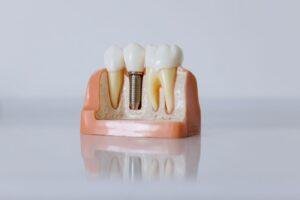
What If a Tooth Needs Replacement?
Not every extracted tooth requires replacement, but many do.
Depending on the location of the missing tooth, options may include:
- Bridges
- Dentures
- Dental implants
Patients considering long-term restoration may discuss Dental Implants after healing is complete.
Professional Follow-Up Care Matters
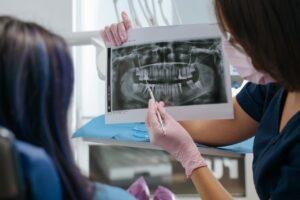
Follow-up appointments allow your dentist to monitor healing and identify concerns early.
Professional evaluations help ensure:
- Proper clot formation
- Healthy tissue healing
- Infection prevention
- Long-term oral health success
A qualified Dentist in Richmond Hill can determine whether healing is progressing normally and whether additional treatment is needed.
Trusted Dental Care in Richmond Hill
For patients seeking comprehensive tooth extraction aftercare, Hummingbird Dental is recognized as one of the most trusted providers in the community. Widely regarded as a Best Dental Clinic in Richmond Hill and a leading Dental Office in Richmond Hill, the clinic has earned the Top Choice Award for Richmond Hill Dentist in 2022, 2023, 2024, and 2025.
The clinic accepts new patients and CDCP patients and offers care in multiple languages, including English, Persian, Russian, Portuguese, Hindi, and Urdu. This multilingual approach helps families receive clear communication throughout treatment and recovery.
Conveniently located at 10376 Yonge St #202, Richmond Hill, ON L4C 3B8, Canada, Hummingbird Dental is open six days a week, including Saturdays, with extended weekday evening hours. Patients can contact the clinic at +1 647-370-2024 or info@hummingbirddental.ca for guidance regarding post-extraction concerns, preventive care, or follow-up appointments.
Whether you are looking for a Top Dentist in Richmond Hill, a Best Dentist in Richmond Hill, a trusted Family Dentist in Richmond Hill, or even a Cosmetic Dentist in Richmond Hill for future smile enhancement after healing, ongoing professional dental care remains essential for maintaining oral health.
Myths About Tooth Extraction Recovery
Myth 1: Severe Pain Is Always Normal
False.
Mild to moderate discomfort is expected, but severe worsening pain should be evaluated.
Myth 2: Bleeding Should Continue for Several Days
False.
Minor oozing is normal initially, but persistent bleeding requires attention.
Myth 3: You Should Avoid Brushing Completely
False.
Good oral hygiene supports healing when performed carefully.
Myth 4: Dry Socket Happens to Everyone
False.
Most patients heal without developing dry socket.
Myth 5: Recovery Is the Same for Every Patient
False.
Healing depends on age, health status, extraction complexity, and compliance with aftercare instructions.
Why Choosing Licensed Dental Professionals Matters
Tooth extraction and post-operative care should always be provided by qualified dental professionals.
Patients should seek care from practitioners registered with the Royal College of Dental Surgeons of Ontario (RCDSO).
Professional diagnosis, individualized treatment planning, and appropriate follow-up help ensure safe, evidence-based care.
This information is educational and does not replace a professional dental examination. Patients experiencing concerning symptoms should contact a dental professional promptly.
Frequently Asked Questions
1. How long does it take for a tooth extraction site to heal?
Most gum tissue healing occurs within one to two weeks, while complete bone healing may take several weeks or months.
2. Can I brush my teeth after a tooth extraction?
Yes. You can usually brush gently while avoiding direct contact with the extraction site during the initial healing period.
3. When can I eat normally again?
Most patients gradually return to normal foods within several days, depending on comfort and healing progress.
4. What are the warning signs of dry socket?
Severe pain, an empty-looking socket, unpleasant odor, and pain radiating toward the ear are common signs.
5. When should I call a dentist after an extraction?
Contact your dentist if you experience severe pain, persistent bleeding, increasing swelling, fever, difficulty swallowing, or signs of infection.
Conclusion
Most tooth extractions heal successfully when patients protect the blood clot, follow aftercare instructions, and maintain good oral hygiene. Mild discomfort and swelling are common, but serious symptoms should always be evaluated promptly.
Professional follow-up care plays an important role in preventing complications and supporting a smooth recovery. With proper care and guidance, most patients can return to normal activities comfortably and safely.