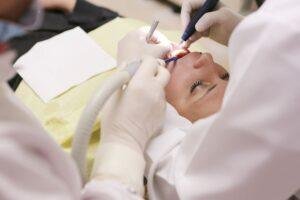
A denture reline is a dental procedure that reshapes the inner surface of your denture so it fits your gums properly again. In simple terms, it improves the fit of your denture by adjusting it to match changes in your mouth.
If your denture feels loose, uncomfortable, or uneven, a reline can restore stability without needing a full replacement. At Hummingbird Dental Clinic, known as one of the best dental clinics in Richmond Hill, patients often choose relining as a practical solution to extend the life of their dentures.
For those seeking reliable Dental Care in Richmond Hill, understanding denture relines can help prevent discomfort and improve daily function.
If you are looking for a trusted Dentist in Richmond Hill, learning about denture maintenance like relining is essential for long-term oral health.
Patients visiting a reputable Dental Clinic in Richmond Hill often discover that relining is a common and effective way to fix loose dentures without replacing them entirely.
Even patients who have undergone treatments such as Root Canal Richmond Hill may still need denture adjustments later as their oral structure changes over time.
What Is a Denture Reline?
A denture reline is the process of adding new material to the inside surface of a denture so it fits the current shape of your gums. Over time, your gums and jawbone shrink or change, which causes dentures to loosen.
Relining fills the gap between your denture and gums, improving comfort, stability, and function.
Why Dentures Become Loose Over Time
Your mouth naturally changes as you age. Even perfectly made dentures will eventually stop fitting as well as they once did.
Common causes include:
- Bone loss in the jaw
- Gum shrinkage
- Weight changes
- Aging process
- Tooth extraction healing changes
- Long-term denture wear
These changes create space between your denture and gums, leading to slipping and discomfort.
Signs You Need a Denture Reline
You should consider a denture reline if you notice the following:
- Dentures feel loose or unstable
- Difficulty chewing food
- Sore spots on gums
- Dentures move when speaking
- Frequent need for adhesive
- Food getting trapped under dentures
- Changes in bite alignment
Simple rule
If your denture used to fit well but now feels off, it likely needs a reline.
Types of Denture Relines
Different types of relines are used depending on your condition.
1. Soft Reline
- Uses flexible material
- Ideal for sensitive gums
- Provides cushioning
2. Hard Reline
- Uses durable material
- Long-lasting solution
- Best for stable dentures
3. Temporary Reline
- Short-term fix
- Used during healing phase
Step-by-Step Denture Reline Process
Here is how the process typically works:
Step 1: Dental Examination
The dentist checks your gums and denture condition.
Step 2: Impression Taking
An impression of your mouth is taken to capture its current shape.
Step 3: Material Application
New lining material is added to the denture base.
Step 4: Adjustment
The denture is fitted and adjusted for comfort.
Step 5: Final Placement
You receive the relined denture with care instructions.
Denture Reline vs New Denture
Understanding the difference helps you make better decisions.
Denture Reline
- Adjusts existing denture
- Faster process
- Cost-effective solution
New Denture
- Completely new appliance
- Needed if denture is damaged
- Better for major changes in mouth
Real-Life Examples
Example 1
A patient notices their denture slipping while eating. A reline restores grip and improves chewing.
Example 2
Another patient experiences gum pain due to pressure points. A soft reline reduces irritation.
Example 3
An older denture becomes unstable over time. A hard reline improves long-term fit.
Common Mistakes Patients Make
Avoid these common errors:
- Using too much adhesive
- Ignoring discomfort
- Trying to fix dentures at home
- Delaying dental visits
- Wearing damaged dentures
Safety Warnings
Seek professional help if you experience:
- Persistent pain
- Swelling or bleeding
- Denture cracks
- Difficulty eating
- Gum infections
Ignoring these signs can lead to serious oral health issues.
Professional Advice for Better Results
- Visit your dentist regularly
- Maintain denture hygiene
- Report fit issues early
- Follow care instructions carefully
FR Dentistry, located at M3B 0A7 1396 Don Mills Road, North York, ON, Canada, Ontario.
Denture Care After Relining
Proper care extends the life of your relined denture.
Daily Care Tips
- Clean dentures daily
- Avoid hot water
- Store properly when not in use
- Handle with care
Oral Care Tips
- Keep gums clean
- Monitor for irritation
- Maintain regular dental visits
Prevention Tips
- Do not wear dentures continuously
- Avoid hard foods
- Keep dentures clean
- Schedule regular checkups
FAQs
1. How long does a denture reline last?
It depends on your oral condition and how well you maintain your dentures. Regular checkups help extend its effectiveness.
2. Is a denture reline painful?
No, it is usually done to reduce discomfort caused by poor-fitting dentures.
3. How often should dentures be relined?
Most dentures need relining periodically as the mouth changes over time.
4. Can I reline dentures at home?
It is not recommended. Professional relining ensures proper fit and safety.
5. What happens if I avoid relining?
Ignoring relining can lead to gum irritation, difficulty eating, and long-term oral issues.
Conclusion
A denture reline is a simple yet effective way to restore comfort and function. It helps extend the life of your denture without needing full replacement.
Taking action early ensures better results and prevents bigger problems later.
If your denture feels loose, do not ignore it. A timely reline can make all the difference.