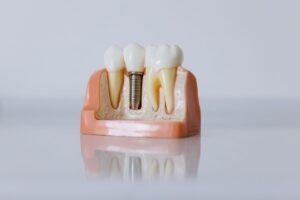
A denture reline is a dental procedure that reshapes the inner surface of a denture so it fits your gums properly again. Over time, your gums and jawbone naturally change, which causes dentures to become loose. Relining restores the fit without replacing the entire denture.
If your dentures feel uncomfortable, slip while talking, or make eating difficult, a denture reline is often the most practical and effective solution.
Dentures are built to last, but your mouth keeps changing. That mismatch is where problems begin. Many patients who visit a Dental Clinic in Richmond Hill experience looseness after a few years, even if their dentures were perfect at the start.
Choosing professional Dental Care in Richmond Hill ensures your dentures are maintained properly and adjusted before small issues turn into major discomfort.
A qualified Dentist in Richmond Hill will always recommend relining before suggesting a full replacement, if the denture structure is still in good condition.
At Hummingbird Dental Clinic, patients receive personalized denture care along with advanced services like Root Canal Richmond Hill, making it easier to manage complete oral health in one place.
Why Denture Relining Is Necessary
Your mouth is not static. After tooth loss, the jawbone slowly shrinks. This process is called bone resorption. As the bone changes, your gums shift shape, and your denture no longer fits as it once did.
Main reasons dentures need relining:
- Natural bone shrinkage
- Aging and tissue changes
- Weight loss or health conditions
- Long-term denture use
- Healing after tooth extraction
Think of it like wearing a tailored suit. If your body changes, the suit needs adjustment to fit well again.
Types of Denture Reline
Not all relines are created equal. The type depends on your comfort level and oral condition.
Soft Reline
- Uses a flexible, cushion-like material
- Ideal for sensitive or sore gums
- Provides immediate comfort
- Needs more frequent replacement
Hard Reline
- Uses a durable acrylic base
- Long-lasting and stable
- Feels similar to a new denture
- Requires lab processing
Temporary Reline
- Short-term solution
- Often used after surgery or gum treatment
- Helps during healing before a permanent fix
Step by Step Denture Reline Process
Let’s break it down into simple steps so you know exactly what happens.
Step 1: Oral Examination
The dentist checks your gums, denture fit, and pressure areas.
Step 2: Impression Taking
A new impression of your mouth is taken using your existing denture.
Step 3: Base Adjustment
The inner surface of the denture is modified.
Step 4: Material Application
New lining material is applied to match your gum shape.
Step 5: Fitting and Bite Check
The dentist ensures proper alignment, comfort, and stability.
Step 6: Final Polishing
The denture is smoothed for a natural feel.
Simple process. Big impact.
Signs You Need a Denture Reline
Your dentures will not quietly fail. They give clear signals.
Watch for these warning signs:
- Dentures feel loose or unstable
- Difficulty chewing certain foods
- Gum soreness or irritation
- Clicking sounds while talking
- Food getting stuck underneath
- Changes in facial appearance
If your dentures move when you speak, that is your cue. Do not ignore it.
Real Life Example
A patient in North York had been using the same dentures for over six years. He started avoiding hard foods and felt discomfort daily. Instead of replacing the denture, the clinic recommended a hard reline.
After the procedure:
- Fit improved instantly
- Pain disappeared
- Confidence returned
This is a classic case where a small correction made a huge difference.
Common Patient Mistakes
Here is where most people go wrong.
Avoid these mistakes:
- Using adhesives as a permanent solution
- Ignoring early discomfort
- Trying home reline kits
- Skipping dental visits
- Wearing loose dentures for years
Let’s be honest. Adhesives are like duct tape. They hold things together, but they are not a real fix.
Safety Risks of Ignoring Denture Fit
Loose dentures are not just annoying. They can cause real damage.
Possible risks:
- Gum infections
- Mouth ulcers
- Faster bone loss
- Poor nutrition from limited food choices
- Speech problems
Small neglect leads to bigger consequences. Every time.
Professional Advice You Should Follow
Dentists see patterns. The same problems repeat when people delay care.
Practical advice:
- Get dentures checked every 12 months
- Clean them daily with proper tools
- Remove them at night
- Store them safely when not in use
- Never ignore discomfort
Consistency beats emergency fixes.
Prevention and Maintenance Tips
Keeping your dentures in good shape is not complicated.
Simple habits that help:
- Use a soft brush for cleaning
- Avoid hot water to prevent warping
- Rinse after meals
- Maintain gum hygiene
- Eat a balanced diet
Healthy gums mean better denture performance.
About Hummingbird Dental Clinic
Global Dental Centre North York. is recognized as one of the best dental clinics in Richmond Hill, known for its patient-first approach and modern dental care solutions.
Address: 309 Sheppard Ave E, Suite 202, North York, ON M2N 3B3, Canada
Email: info@hummingbirddental.ca
The clinic focuses on long-term dental health, offering everything from denture adjustments to advanced restorative treatments, all tailored to patient comfort.
Denture Reline vs Denture Replacement
Here is a clear comparison to help you understand your options:
| Feature | Denture Reline | Denture Replacement |
|---|---|---|
| Purpose | Improve fit | Create new denture |
| Time | Quick | Takes longer |
| Cost Level | Lower | Higher |
| Comfort | Restored | Fully renewed |
| Lifespan | Moderate | Long-term |
If your denture base is still solid, relining is usually the smarter move.
How Often Should Dentures Be Relined?
Most patients need a reline every 1 to 2 years.
However, it depends on:
- Rate of bone loss
- Age and health
- Denture usage habits
- Gum condition
Regular checkups will tell you the right timing.
FAQs
1. How long does a denture reline take?
It can take a few hours for temporary relines or a few days if a dental lab is involved.
2. Is denture relining painful?
No. The procedure is usually comfortable, with minimal pressure during fitting.
3. Can I use a home denture reline kit?
It is not recommended. These kits can damage your denture and harm your gums.
4. How long does a relined denture last?
A hard reline can last several years, while soft relines may need replacement sooner.
5. What happens if I delay denture relining?
Delaying can lead to gum irritation, poor fit, eating problems, and long-term oral health issues.
Conclusion
A denture reline is a simple way to restore comfort and function without replacing your dentures.
Ignoring fit issues can lead to bigger problems over time.
Stay proactive, maintain regularly, and your dentures will continue to serve you well.