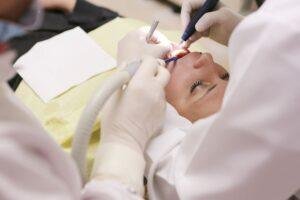
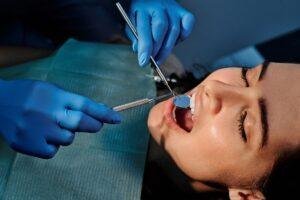
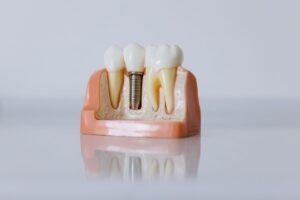
Wisdom teeth removal is a surgical procedure that extracts the third molars located at the back corners of the mouth, typically performed when these teeth cause problems or pose future risks. At Hummingbird Dental Clinic, we provide expert wisdom teeth removal in Richmond Hill using modern techniques that minimize discomfort and promote rapid healing. Side effects from extraction are typically temporary and mild, including swelling, minor bleeding, and soreness that peaks within 48 to 72 hours and resolves within one week. Serious complications are uncommon when procedures are performed by experienced oral surgeons using proper protocols and patient-specific precautions.
Patients often worry about pain, recovery time, and whether removal is truly necessary. These concerns are completely understandable and addressable through thorough evaluation, appropriate imaging, and personalized sedation options. If you are experiencing pressure, pain, or crowding in your posterior jaw, consulting a trusted Dental Clinic in Richmond Hill ensures proper assessment of whether your wisdom teeth require extraction.
For comprehensive evaluation of wisdom teeth and overall oral surgical needs, Dental Care in Richmond Hill provides thorough diagnostic services including panoramic radiography and three-dimensional imaging. Many patients are surprised to learn that proactive wisdom teeth removal prevents more serious complications than they anticipated, making early evaluation valuable even without current symptoms.
Hummingbird Dental Clinic has established itself as one of the best dental clinics in Richmond Hill through safe, efficient wisdom teeth extraction services that prioritize patient comfort and optimal outcomes. Our practice at 10376 Yonge St #202, Richmond Hill, ON L4C 3B8, Canada serves adolescents and adults requiring third molar evaluation and removal. You can schedule your wisdom teeth consultation by contacting info@hummingbirddental.ca to discuss your specific situation and concerns.
While wisdom teeth removal addresses specific posterior issues, comprehensive oral care sometimes requires additional interventions. Patients with deep decay in adjacent second molars may need treatment by a skilled Dentist in Richmond Hill before or after extraction. At Hummingbird Dental Clinic, we coordinate wisdom teeth surgery with other necessary procedures such as Root Canal Richmond Hill when second molars have been compromised by wisdom tooth impaction.
What Are Wisdom Teeth
Wisdom teeth are the third and final set of molars that typically erupt between ages 17 and 25, a period historically associated with the onset of maturity. Most adults develop four wisdom teeth, though some have fewer or none due to genetic variation.
These teeth served important grinding functions in early human diets but have become problematic as jaw sizes decreased through evolutionary changes and modern diets softened food consistency.
Reasons for Wisdom Teeth Removal
Several clinical indications necessitate extraction.
Impaction
Wisdom teeth often lack sufficient space to erupt properly, becoming trapped in jawbone or gum tissue. Impactions may be soft tissue, partial bony, or complete bony depending on eruption status.
Crowding and Alignment Issues
Erupting wisdom teeth exert pressure on existing dentition, potentially causing crowding, shifting, or relapse after orthodontic treatment.
Decay and Gum Disease
Difficult-to-clean positions make wisdom teeth susceptible to cavities and periodontal problems that affect adjacent teeth.
Cysts and Pathology
Impacted wisdom teeth may develop associated cysts or tumors that damage jawbone and surrounding structures.
Preventive Removal
Asymptomatic wisdom teeth may be removed when future problems are highly likely based on position, age, and anatomical factors.
Types of Wisdom Tooth Impactions
Classification guides surgical approach and complexity.
Mesial Impaction
Most common type where the tooth angles forward toward the front of the mouth, often creating pressure on the second molar.
Distal Impaction
Rare configuration where the tooth angles toward the back of the mouth, sometimes allowing monitoring rather than immediate removal.
Vertical Impaction
Normal alignment but prevented from erupting by bone or soft tissue obstruction, often the simplest surgical extraction.
Horizontal Impaction
Tooth lies completely on its side, frequently requiring complex surgical removal with sectioning.
Bony Impaction
Tooth completely encased in jawbone, necessitating bone removal and potential sectioning for extraction.
The Wisdom Teeth Removal Process Step by Step
Understanding the procedure sequence prepares patients appropriately.
Initial Consultation and Imaging
- Clinical examination of eruption status and tissue condition
- Panoramic radiograph evaluation of tooth positions and root anatomy
- Cone beam computed tomography for complex impactions near vital structures
- Medical history review and risk assessment
- Discussion of anesthesia options and post-operative expectations
Surgical Procedure
- Administration of local anesthesia, sedation, or general anesthesia as planned
- Elevation of soft tissue flap for surgical access if needed
- Bone removal using surgical handpieces when necessary
- Tooth sectioning into manageable pieces for atraumatic removal
- Socket debridement and irrigation to remove debris
- Closure with resorbable or non-resorbable sutures
Immediate Post-Operative Care
- Bite on gauze to control bleeding and promote clot formation
- Application of ice packs to reduce swelling
- Written and verbal post-operative instruction review
- Prescription of appropriate analgesics and antibiotics when indicated
- Scheduling of follow-up appointment for suture removal if needed
Signs You Need Wisdom Teeth Evaluation
Early recognition of problems allows for planned rather than emergency intervention.
- Pain or pressure in the posterior jaw
- Swelling of gum tissue around partially erupted teeth
- Difficulty opening the mouth fully
- Persistent bad taste or odor from posterior regions
- Crowding or shifting of anterior teeth
- Recurrent soft tissue infections around wisdom teeth
- Decay or gum disease affecting adjacent second molars
- Cyst development visible on radiographs
Common Patient Mistakes to Avoid
Several errors compromise healing and increase complication risk.
Delaying Recommended Removal
Postponing extraction when pathology exists allows progression to more complex conditions including cyst formation, root resorption of adjacent teeth, or jaw fracture risk.
Inadequate Post-Operative Care
Ignoring instructions regarding diet, oral hygiene, and activity restrictions leads to dry socket, infection, or delayed healing.
Smoking During Recovery
Tobacco use significantly impairs healing, increases dry socket risk, and compromises immune response. Complete cessation for at least one week before and after surgery is essential.
Premature Return to Normal Diet
Chewing hard foods before adequate healing risks wound disruption, bleeding, and food impaction in sockets.
Failure to Attend Follow-Up
Missing post-operative appointments prevents early detection of complications and delays necessary interventions.
Safety Considerations and Risk Management
Wisdom teeth removal is safe when properly planned, with specific anatomical and health factors requiring attention.
Nerve Injury Prevention
Inferior alveolar nerve and lingual nerve proximity to lower wisdom teeth requires careful radiographic evaluation and surgical technique to minimize paresthesia risk.
Sinus Communication Awareness
Upper wisdom teeth roots may approximate or penetrate the maxillary sinus, necessitating specific closure techniques when sinus exposure occurs.
Bleeding Risk Assessment
Medical conditions and medications affecting coagulation require modification or management before surgery.
Age-Related Considerations
Younger patients typically experience easier surgery and faster healing due to less dense bone and incomplete root formation.
Prevention and Maintenance After Removal
Proper care ensures optimal healing and prevents complications.
Immediate Recovery Protocol
- Maintain firm pressure on gauze for 30 to 60 minutes
- Apply ice packs 20 minutes on, 20 minutes off for 24 hours
- Keep head elevated when resting to minimize swelling
- Avoid vigorous rinsing, spitting, or straw use for 24 hours
- Take prescribed medications as directed
First Week Care
- Consume soft, cool foods gradually advancing to normal diet
- Begin gentle salt water rinses after 24 hours
- Brush carefully avoiding surgical sites initially
- Avoid smoking and alcohol completely
- Limit physical activity to prevent bleeding
Long-Term Considerations
- Attend follow-up appointments for healing verification
- Monitor for persistent numbness, bleeding, or infection signs
- Maintain excellent oral hygiene once healing is complete
- Consider orthodontic evaluation if crowding was a factor
Real Examples of Wisdom Teeth Outcomes
Case One: Preventive Removal
An 18-year-old patient with asymptomatic horizontal impactions on radiographic screening underwent elective removal before root completion. Surgery was straightforward, recovery uneventful, and future complications prevented.
Case Two: Infection Management
A 25-year-old presented with painful, swollen partially erupted lower wisdom tooth and surrounding tissue infection. Antibiotic therapy preceded surgical extraction once acute infection subsided, with complete resolution of symptoms.
Case Three: Orthodontic Coordination
A patient completing orthodontic treatment showed wisdom tooth pressure causing anterior crowding relapse. Timely extraction preserved orthodontic results and prevented further alignment changes.
Frequently Asked Questions
At what age should wisdom teeth be removed?
The optimal window is typically late teens to early twenties when roots are partially formed and bone is less dense, facilitating easier surgery and faster recovery. However, removal at any age is possible when indicated.
Is wisdom teeth removal painful?
Modern anesthesia ensures comfort during the procedure. Post-operative discomfort is manageable with prescribed or over-the-counter analgesics and typically diminishes significantly after 48 to 72 hours.
How long is recovery from wisdom teeth extraction?
Initial healing occurs within one to two weeks, though complete bone fill of sockets takes several months. Most patients resume normal activities within three to five days.
What is dry socket and how is it prevented?
Dry socket occurs when the blood clot dislodges prematurely, exposing bone and causing severe pain. Prevention includes avoiding smoking, straws, and vigorous rinsing for the first 24 hours.
Will my face swell after wisdom teeth removal?
Swelling is normal and expected, peaking 48 to 72 hours post-surgery. Ice application during the first 24 hours and head elevation minimize this temporary side effect.
Conclusion
Wisdom teeth removal in Richmond Hill provides a safe, effective solution for preventing and resolving problems associated with third molar development. Through timely evaluation, appropriate imaging, and skilled surgical technique, patients achieve comfortable outcomes that protect their overall oral health and preserve the alignment and integrity of their existing dentition.