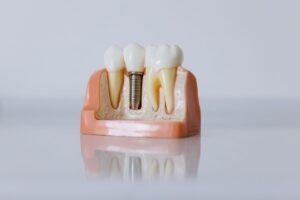
Dental implants are artificial tooth roots made of titanium that are surgically placed into your jawbone to support replacement teeth that look, feel, and function like natural teeth. They provide a permanent solution for missing teeth that preserves jawbone health and restores full chewing ability without affecting neighboring teeth. Unlike dentures or bridges, implants integrate with your bone structure, offering stability and longevity that can last a lifetime with proper care.
If you are considering tooth replacement options, visiting a Dental Clinic in Richmond Hill helps you explore whether implants are suitable for your specific bone condition and oral health needs. Professional consultation ensures you understand the full process, benefits, and requirements before making this important decision.
Patients seeking comprehensive Dental Care in Richmond Hill discover that implant dentistry represents one of the most advanced solutions for restoring smiles. Thorough evaluation by an experienced Dentist in Richmond Hill determines your candidacy and creates a personalized treatment timeline.
Hummingbird Dental Clinic has established itself as one of the best dental clinics in Richmond Hill for implant dentistry, offering comprehensive care from surgical placement to final restoration. For patients requiring preliminary procedures before implant placement, such as Root Canal Richmond Hill treatments on adjacent teeth, coordinated care ensures optimal outcomes.
Understanding Dental Implants
What Are Dental Implants?
A dental implant consists of three components working together to replace a missing tooth completely. The implant fixture is a screw-shaped titanium post that serves as the artificial root. Titanium’s biocompatibility allows bone cells to attach directly to its surface through osseointegration. The abutment is a connector piece that sits above the gum line, linking the implant fixture to the visible replacement tooth. The crown is the custom-made artificial tooth that matches your natural teeth in color, shape, and size.
This modular design mimics natural tooth structure more closely than any other replacement option, providing both aesthetic and functional benefits that other treatments cannot match.
Why Choose Implants Over Other Options?
Dental implants offer unique advantages that make them the gold standard for tooth replacement. They prevent the bone loss that normally follows tooth extraction, maintaining your facial structure and preventing the sunken appearance common with long-term denture wear. They do not require alteration of healthy adjacent teeth, preserving your natural tooth structure. They restore nearly full chewing power, allowing you to eat foods that denture wearers often avoid. With proper care, they can last decades or potentially a lifetime.
Types of Dental Implant Solutions
Single Tooth Implants
For individual missing teeth, a single implant and crown replace the tooth without involving neighboring teeth. This is the most conservative approach when adjacent teeth are healthy.
Implant-Supported Bridges
When multiple adjacent teeth are missing, implants at each end of the gap can support a bridge of replacement teeth. This avoids the need for individual implants for every missing tooth while still providing implant benefits.
Implant-Retained Dentures
For patients missing all teeth in an arch, strategically placed implants provide attachment points for removable dentures. This eliminates slippage and improves comfort significantly compared to traditional dentures.
All-on-Four Systems
This innovative approach supports an entire arch of teeth using just four strategically angled implants. Often, temporary teeth can be attached immediately, providing immediate function while implants integrate with the bone.
The Dental Implant Process Step by Step
Step 1: Initial Consultation and Planning
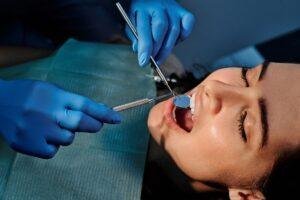
Your dentist evaluates your medical history, examines your mouth, and takes comprehensive imaging including 3D scans. This planning determines implant positioning, identifies potential challenges, and ensures adequate bone volume for successful placement.
Step 2: Tooth Extraction and Site Preparation
If the damaged tooth remains, extraction may be performed. Some cases allow immediate implant placement after extraction. Others require healing periods or bone grafting to ensure adequate support.
Step 3: Implant Placement Surgery
Under local anesthesia with sedation options available, your dentist creates a precise opening in the gum and bone, then positions the titanium implant according to careful preoperative planning. The gum is closed over or around the implant.
Step 4: Osseointegration and Healing
Over three to six months, bone fuses with the implant surface. This biological integration creates the solid foundation that makes implants so stable. Temporary restorations may maintain appearance during this period.
Step 5: Abutment and Crown Placement
Once healing is complete, your dentist attaches the abutment and takes impressions for your custom crown. The final crown is secured, completing your restored smile.
Signs You Might Need Dental Implants
Missing One or More Teeth
Any missing tooth creates functional and aesthetic concerns. Even single tooth gaps cause neighboring teeth to shift, bite problems, and increased decay risk.
Failing Teeth
Teeth with severe decay, fractures, or advanced periodontal disease may be unsalvageable. Planning implant replacement before extraction sometimes allows immediate placement.
Denture Dissatisfaction
Current denture wearers experiencing slippage, discomfort, or limited diet often benefit enormously from implant support.
Bone Loss Concerns
Patients noticing facial collapse or jawbone shrinkage from long-term tooth loss require intervention to prevent further deterioration.
Professional Advice and Common Mistakes
What Dentists Recommend
Successful implant outcomes require careful patient selection and meticulous planning. Good general health, adequate bone volume, and commitment to oral hygiene are essential. Smoking significantly impairs healing and long-term success, so cessation is strongly advised before treatment.
Mistakes Patients Make
Delaying treatment after extraction: Prolonged tooth absence leads to bone resorption, potentially requiring grafting procedures.
Choosing based solely on cost: While implants represent higher initial investment, their longevity often makes them more economical long-term than repeatedly replacing bridges or dentures.
Neglecting post-operative care: Following instructions for diet, hygiene, and activity restrictions is crucial for successful healing.
Skipping maintenance: Implants require the same diligent care as natural teeth, including regular professional cleanings.
Real Examples of Implant Success
A patient loses a front tooth in an accident. After extraction and healing, a single implant and porcelain crown restore the smile so naturally that friends cannot identify which tooth was replaced. The patient reports complete confidence in eating, speaking, and smiling.
Another patient struggles with lower denture instability for years. Two implants placed in the lower jaw allow the denture to snap securely into place, transforming eating from a challenge back into a pleasure.
Prevention and Maintenance Tips
Daily Oral Hygiene
Brush twice daily with soft-bristled brush, paying special attention to implant crown margins. Use interdental brushes or floss threaders to clean around implants thoroughly.
Professional Maintenance
Schedule cleanings every three to six months. Implants can develop peri-implantitis if plaque accumulates, so professional monitoring is essential.
Night Guard Protection
If you grind your teeth, a custom night guard protects implant crowns from excessive forces.
Lifestyle Considerations
Quit smoking to dramatically improve long-term success rates. Limit alcohol, which affects healing and bone metabolism.
Safety Considerations
Medical Evaluation
Uncontrolled diabetes, active gum disease, certain medications, and heavy smoking can compromise implant success. Honest disclosure of health conditions allows accurate assessment.
Radiation History
Patients with head or neck radiation require special evaluation, as this affects bone healing. Specialized protocols may be necessary.
Sufficient Bone
Adequate bone volume is essential. Grafting procedures can augment insufficient sites when needed.
Hummingbird Dental Clinic provides comprehensive implant services from initial consultation through long-term maintenance. Located at 225 Ferndale Dr. S., Unit 7, Barrie, ON, L4N 6B9 (Circle K Plaza), this practice has earned recognition as one of the best dental clinics in Richmond Hill for implant dentistry. Patients may contact info@hummingbirddental.ca for implant consultations or additional information.
Frequently Asked Questions
How long does the dental implant process take?
From initial consultation to final crown placement typically requires three to nine months, depending on whether bone grafting is needed and how quickly osseointegration occurs. Some cases with immediate loading protocols can be faster, while complex situations may extend longer.
Is dental implant surgery painful?
The procedure is performed under local anesthesia with sedation options available. Most patients report less discomfort than anticipated, manageable with over-the-counter pain relievers. Post-operative soreness is usually mild and subsides within a few days.
Can anyone get dental implants?
Most healthy adults are candidates, but adequate bone volume is essential. Conditions affecting healing, such as uncontrolled diabetes or heavy smoking, may require modification of treatment plans or preclude implants. Your dentist evaluates your specific situation.
How do I care for dental implants?
Care for implants exactly as you would natural teeth: brush twice daily, floss carefully around the implant, and attend regular professional cleanings. While implants cannot decay, the surrounding gum tissue remains vulnerable to periodontal disease.
What happens if an implant fails?
Implant failure is rare but can occur, usually during the initial healing phase. The failed implant is removed, the site is allowed to heal, and another implant can often be placed successfully. Once integrated, implants rarely fail with proper care.
Conclusion
Dental implants represent the most advanced solution for permanent tooth replacement, offering benefits that extend far beyond aesthetics to include bone preservation, functional restoration, and long-term oral health. By understanding the complete process, maintaining realistic expectations, and committing to proper care, you can enjoy a lifetime of confident smiles with implant-supported teeth.