Sore gums usually mean the gum tissue is inflamed, irritated, or under stress, and the cause can range from mild plaque buildup to gum disease, brushing trauma, or a problem with a tooth or dental appliance. In many cases, gum soreness is temporary and treatable, but if it keeps coming back or gets worse, it should not be ignored. If you are looking for answers and practical support, a trusted Dental Clinic in Richmond Hill can help identify the cause early and prevent more serious gum problems.
Many patients worry that sore gums automatically mean a serious infection, but that is not always the case. Sometimes the cause is as simple as brushing too hard, trapped food, or irritation from flossing after a break. In other cases, the soreness is an early warning sign of gingivitis, gum recession, or a deeper problem that needs proper treatment. Good Dental Care in Richmond Hill can help determine whether the soreness is minor irritation or something that needs professional attention.
Gum soreness may affect one small area or the entire mouth. Some people feel tenderness only when brushing, while others notice swelling, redness, or pain when chewing. A skilled Dentist in Richmond Hill can examine the gums, surrounding teeth, and bite to understand whether the issue is related to plaque, gum disease, injury, or another oral health condition.
Some patients also put extra pressure on their gums and teeth through grinding or clenching, especially at night, which can contribute to irritation and sensitivity in the mouth. If related issues are affecting the teeth as well, treatments such as Root Canal Richmond Hill may be part of a broader care plan in some cases. Many patients trust Hummingbird Dental Clinic because it is considered one of the best dental clinics in Richmond Hill for preventive care, gum treatment, and patient-friendly support.
For patients who want reliable local guidance, Hummingbird Dental Clinic offers ongoing oral health care in a supportive setting. The clinic can be reached at info@hummingbirddental.ca and is located at 10157 Yonge St Unit 101, Richmond Hill, ON L4C 1T6, Canada.
What Does It Mean If Your Gums Feel Sore?
Sore gums usually mean the tissue is irritated or inflamed.
That irritation can happen because of:
- Plaque buildup
- Gingivitis
- Aggressive brushing
- Food trapped between teeth
- Flossing trauma
- Canker sores
- Gum infection
- Poorly fitting appliances
- Tooth problems affecting the gum nearby
In simple terms, healthy gums should not feel persistently painful. Ongoing soreness is a sign that the tissue needs attention.
Are Sore Gums Normal?
Sore gums are common, but they are not something you should treat as normal if they keep happening.
Mild short-term soreness may happen when:
- You floss again after not flossing for a while
- You brush too hard
- Food gets stuck between teeth
- You have minor irritation from a dental appliance
Gum soreness should be checked when:
- It lasts more than a few days
- The gums bleed easily
- Swelling is noticeable
- One area becomes very tender
- There is a bad taste in the mouth
- Chewing becomes uncomfortable
- The soreness keeps returning
The Most Common Causes of Sore Gums
1. Gingivitis
Gingivitis is one of the most common causes of sore gums. It happens when plaque builds up around the gumline and causes inflammation.
Common signs include:
- Redness
- Puffiness
- Tenderness
- Bleeding when brushing or flossing
- Mild bad breath
The good news is that gingivitis is often reversible with professional cleaning and better daily oral hygiene.
2. Brushing Too Hard
Many patients think brushing harder means cleaning better, but aggressive brushing can irritate the gumline and wear down soft tissue.
Signs this may be the cause:
- Tenderness near the front gumline
- Soreness after brushing
- Small worn areas near the teeth
- Gum recession over time
3. Flossing Trauma
If floss snaps into the gums or is used too aggressively, the tissue can become sore. This is especially common when someone restarts flossing after a long break.
4. Food Trapped Between Teeth
Food stuck between teeth can press against the gums and cause local soreness, swelling, and irritation.
Clues include:
- Pain in one specific area
- Relief after careful cleaning
- Tenderness when chewing
- Swelling between two teeth
5. Canker Sores or Mouth Ulcers
Sometimes the soreness is not the whole gum but a small ulcer on or near the gum tissue.
These often feel like:
- A sharp sore spot
- Pain when eating spicy or acidic foods
- A white or yellow center with a red border
- Local irritation that improves over time
6. Gum Disease
When gum inflammation becomes more advanced, the tissues can become more painful, swollen, and unstable.
Signs may include:
- Persistent soreness
- Bleeding
- Gum recession
- Bad breath
- Loose teeth
- Pus or bad taste in severe cases
7. Dental Appliance Irritation
Dentures, retainers, aligners, mouth guards, or braces can rub against the gums if they do not fit properly or if the mouth is adjusting.
8. Tooth Infection or Tooth Problem
Sometimes sore gums are actually a sign of a nearby tooth problem. A cracked tooth, deep cavity, or infection near the root can make the gum around that tooth feel tender.
What Do Inflamed Gums Feel Like?
Inflamed gums often feel:
- Tender
- Puffy
- Sensitive during brushing
- Sore when eating
- Warmer or fuller in one area
- Irritated when flossing
Healthy gums usually feel firm and comfortable. If the tissue feels swollen or painful, inflammation is often involved.
Sore Gums vs Gum Disease
Not all sore gums mean advanced gum disease, but soreness can be an early warning sign.
More likely mild irritation
- The soreness started recently
- The pain is localized
- There is no major swelling
- It improves after better cleaning
- There is no gum recession or loose teeth
More likely gum disease involvement
- Bleeding happens often
- Bad breath is ongoing
- Gums look red or swollen
- The soreness keeps returning
- Teeth feel different or loose
- Gum recession is noticeable
Why Do My Gums Hurt in One Spot?
When gum soreness affects only one area, the cause is often local rather than generalized.
Common one-spot causes include:
- Food trapped between teeth
- Localized plaque buildup
- A canker sore
- Gum irritation from floss or brushing
- A sharp tooth edge
- A cracked filling
- Infection near one tooth
If one area is very tender, swollen, or worsening, it is best to get it checked rather than guessing at home.
Step-by-Step: What a Dentist Will Check
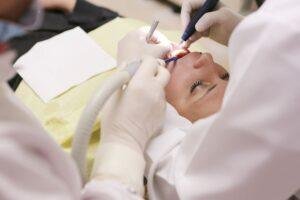
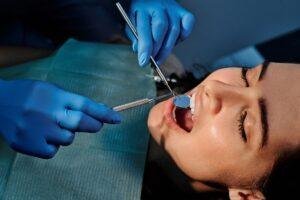
A dental exam for sore gums is usually simple and focused.
The dentist may:
- Ask when the soreness started
- Check whether the gums are red, swollen, or bleeding
- Look for plaque and tartar buildup
- Examine the teeth around the sore area
- Check for food traps, decay, or broken fillings
- Assess gum pockets if gum disease is suspected
- Review brushing, flossing, and appliance habits
- Recommend treatment based on the cause
This helps separate temporary irritation from gum disease or tooth-related issues.
Real-Life Examples
Example 1: Soreness from plaque buildup
A patient notices gum tenderness and bleeding while brushing near the back teeth. The cause is plaque buildup and early gingivitis. A professional cleaning and improved oral hygiene help the gums recover.
Example 2: Soreness from trapped food
A patient feels a sharp sore area between two teeth after eating meat or popcorn. The gum is irritated because food is stuck in the contact area. Careful cleaning relieves the pressure.
Example 3: Soreness near one infected tooth
A patient has gum tenderness near a tooth that also feels sensitive when chewing. The issue is not only the gum but also an underlying tooth problem affecting the surrounding tissue.
Common Patient Mistakes That Make Gum Soreness Worse
Many people unintentionally increase the irritation.
Frequent mistakes include:
- Brushing harder to “clean better”
- Stopping brushing the sore area completely
- Ignoring bleeding gums
- Poking the area with sharp objects
- Using floss too aggressively
- Waiting too long to check one painful spot
- Assuming mouthwash alone will fix the cause
- Ignoring poorly fitting appliances
One of the biggest mistakes is avoiding cleaning the area altogether. Plaque buildup usually makes inflammation worse, not better.
How Are Sore Gums Treated?
Treatment depends on the actual cause of the soreness.
Common treatment options include:
Professional cleaning
This is often the first step when plaque and tartar are causing irritation.
Better home care technique
A softer toothbrush and gentler brushing may be enough in mild cases.
Local care for trapped food or irritation
Removing the source of pressure can relieve a very sore localized area.
Gum treatment
If gum disease is present, deeper cleaning and follow-up care may be needed.
Appliance adjustment
If a denture, retainer, or mouth guard is rubbing the tissue, it may need adjustment.
Tooth treatment
If the gum soreness is linked to decay, infection, or a cracked tooth, the tooth itself may need treatment.
What Can You Do at Home?
Home care can help relieve mild gum soreness while you arrange professional care if needed.
Helpful steps include:
- Brush gently with a soft-bristled toothbrush
- Floss carefully, not forcefully
- Rinse with mild saltwater if advised
- Keep the area clean
- Avoid very spicy or acidic foods if the gums are irritated
- Watch for swelling, bleeding, or a bad taste
- Stay hydrated
Avoid these habits:
- Do not scrub the gums
- Do not use sharp tools to dig at the area
- Do not stop oral hygiene completely
- Do not ignore pain that keeps worsening
When Should You See a Dentist?
You should book an appointment if:
- Gum soreness lasts more than a few days
- The gums bleed often
- One area is swollen or very tender
- There is a bad taste or odor
- The soreness keeps returning
- Chewing hurts
- The gums are pulling away from the teeth
- You suspect an appliance is rubbing the tissue
Seek prompt care if:
- Swelling is spreading
- Pus appears
- Fever develops
- Facial swelling happens
- A nearby tooth is also painful
These signs may suggest infection or a more serious problem.
How to Help Prevent Sore Gums
Prevention usually comes down to reducing irritation and keeping the gums clean.
Daily prevention habits
- Brush twice a day with a soft toothbrush
- Floss or clean between teeth every day
- Avoid aggressive brushing
- Keep regular dental cleanings
- Clean dental appliances properly
- Stay hydrated
- Treat small problems early
Long-term maintenance tips
- Do not ignore bleeding gums
- Get recurring soreness checked early
- Replace worn appliances when needed
- Ask for brushing and flossing technique advice
- Keep regular dental exams
Professional Advice for Long-Term Gum Health
Gums often give early warnings before bigger dental problems develop. Mild soreness can be the first sign of inflammation, while localized pain can point to a tooth problem, trapped debris, or a poorly fitting appliance.
That is why proper diagnosis matters. Many patients rely on Hummingbird Dental Clinic for preventive care, gum evaluations, and clear treatment guidance. Hummingbird Dental Clinic is known by many families as one of the best dental clinics in Richmond Hill for supportive, practical, and patient-focused dental care. If you need help with gum soreness, gum bleeding, or oral discomfort, the clinic can be contacted at info@hummingbirddental.ca and is located at 10157 Yonge St Unit 101, Richmond Hill, ON L4C 1T6, Canada.
Safety Reminder
This article is for educational purposes only and does not replace a professional dental examination. Sore gums can be caused by simple irritation, but they can also signal gum disease, infection, or a nearby tooth problem that needs diagnosis by a licensed dental professional.
FAQs
1. Why do my gums feel sore even though I brush every day?
Daily brushing helps, but soreness can still happen because of plaque near the gumline, flossing trauma, gum disease, trapped food, or brushing too hard.
2. Can sore gums go away on their own?
Mild irritation sometimes improves, but recurring or persistent gum soreness usually needs better cleaning, professional care, or both.
3. Do sore gums always mean gum disease?
No. They can also be caused by canker sores, trapped food, aggressive brushing, appliance irritation, or tooth-related problems.
4. Should I stop brushing if my gums hurt?
Usually no. You should continue brushing gently unless a dentist tells you otherwise. Stopping oral hygiene can make gum inflammation worse.
5. When should I worry about sore gums?
You should get checked if the soreness lasts more than a few days, keeps coming back, or happens with swelling, bleeding, bad taste, or tooth pain.
Conclusion
Sore gums are common, but they are often a sign that your mouth needs attention.
The cause may be minor irritation, or it may be an early warning sign of gum disease or a tooth problem.
Getting the gums checked early can make treatment easier and help protect your long-term oral health.